

Warehouse Storage Trends 2026: Automation, Sustainability & Density Innovation
The logistics landscape across the UAE and the broader GCC region is undergoing a profound transformation. As e-commerce demand accelerates, land values in prime industrial zones climb, and supply chains face persistent volatility, warehouse operators can no longer rely on traditional storage models. In 2026, operational efficiency is no longer an aspiration—it is a baseline requirement for survival.
For mid-market decision-makers, navigating these shift requires moving beyond conventional pallet selective racking. Understanding the intersection of high-density innovation, practical warehouse automation in Dubai, and sustainable design is critical to building a future-proof facility.
The 2026 Warehouse Landscape: Why Efficiency is No Longer Optional
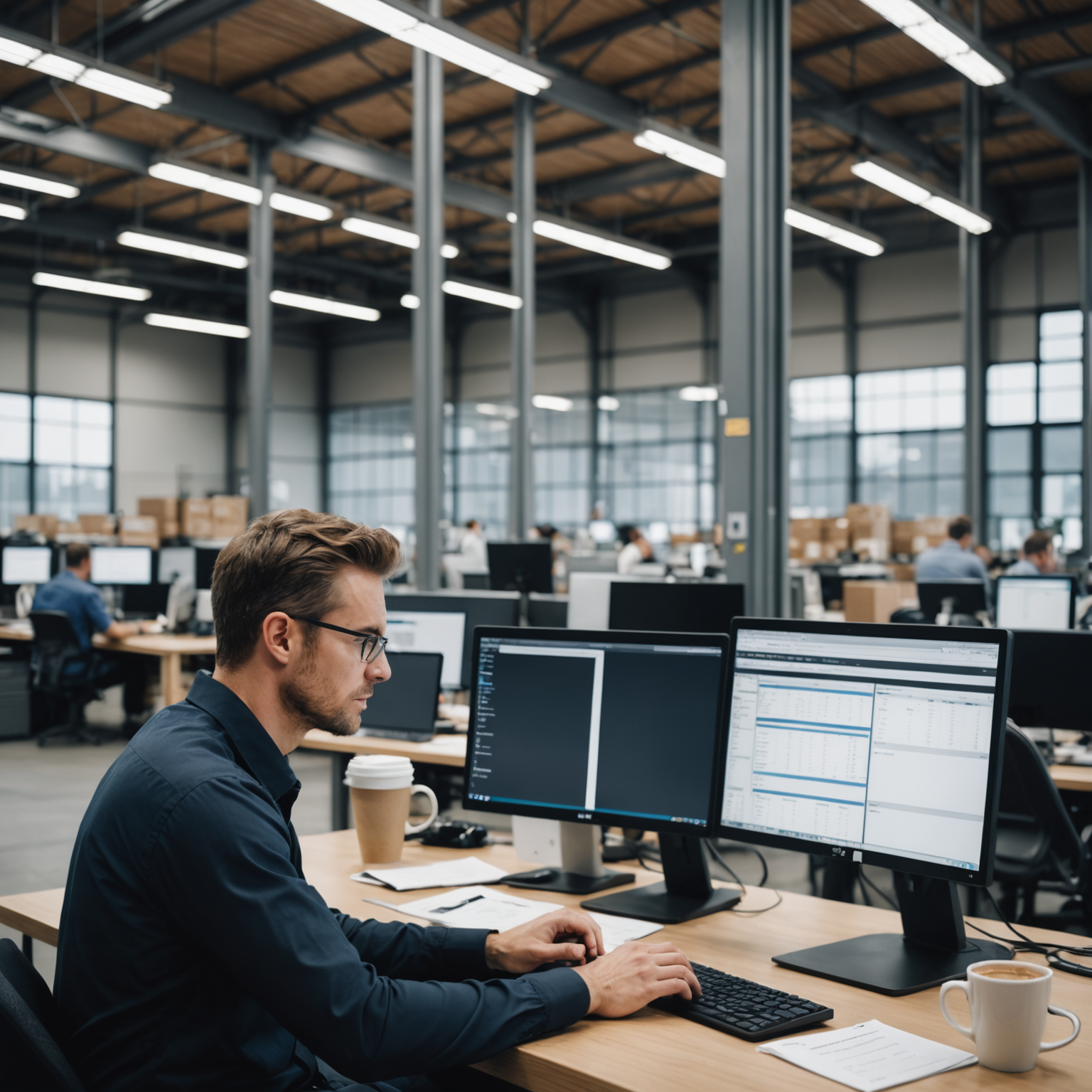
The modern warehouse is no longer just a passive holding venue for inventory; it is a high-speed dynamic throughput hub. In 2026, the biggest warehouse storage trends impacting UAE businesses revolve around three pressures: urban proximity demands, rising cost per square meter, and labor availability shifts.
Doing nothing in the current environment carries a steep cost. Underutilized vertical space translates directly to wasted capital expenditure. Operational bottlenecks caused by inefficient layouts slow down order fulfillment, leading to missed SLAs and lost market share. To remain competitive, facility managers must transition from reactive space management to proactive industrial storage efficiency strategies.
The Rise of High-Density Storage and Vertical Optimization
As industrial real estate premiums rise in Dubai and Abu Dhabi, expanding your footprint horizontally is often financially unviable. The solution lies in aggressive vertical optimization and footprint consolidation.
High-density mobile shelving and heavy duty racking solutions allow facilities to dramatically increase pallet capacity within their existing footprint. By eliminating redundant aisles, motorized mobile racking systems can increase storage density by up to 85% compared to standard selective layouts.
What most industry advice overlooks is that high-density storage is not just about packing in more goods—it is about maintaining dynamic accessibility. Advanced heavy duty racking engineered for high loads ensures that structural integrity matches high-frequency operational demands, providing a safe, scalable foundation for growth.
Looking to unlock hidden capacity in your current layout? Explore how tailored industrial racking systems in the UAE can transform your vertical footprint. Get a custom quote today from Planet Racking.
Automation Integration: Balancing Robotics with Manual Flexibility
A central question for operations directors is: How does high-density racking integrate with modern warehouse automation? The answer lies in hybrid architecture.
Full-scale automated storage and retrieval systems (AS/RS) provide unmatched speed, but they require significant capital expenditure and fixed infrastructure. In 2026, the trend for mid-market operators favors flexible automation—combining robust shuttle racking systems or Autonomous Mobile Robots (AMRs) with structural heavy duty racking.
| Storage System Type | Density Capability | Flexibility Level | Capital Expenditure (CapEx) | Ideal Operational Use |
|---|---|---|---|---|
| Standard Selective Racking | Low | Very High | Low | High SKU diversity, direct access needed |
| High-Density Mobile Shelving | Very High | Moderate | Medium | Cold storage, high-value bulk inventory |
| Pallet Shuttle Systems (Semi-Automated) | High | High | Medium-High | Deep lane storage, high throughput LIFO/FIFO |
| Full AS/RS Integration | Maximum | Low (Fixed) | High | 24/7 automated facilities, mega-hubs |
What are the cost implications of upgrading to automated storage solutions? Complete automation can take 5 to 7 years to yield a full ROI. However, phased automation—integrating semi-automated radio shuttles into custom high-density frames—delivers immediate efficiency gains at a fraction of the cost, balancing rapid scalability with space constraints.
Sustainability in the Warehouse: Green Materials and Energy Efficiency
Why is sustainability becoming a critical factor in industrial warehouse design? Beyond corporate social responsibility, green warehouse initiatives directly impact bottom-line operating expenses.
In the Middle East heat, cooling massive volumes of empty air in cold storage and ambient warehouses is an immense energy drain. By implementing high-density warehouse space optimization strategies, companies drastically reduce the cubic volume that requires climate control, directly lowering energy consumption.
Furthermore, leading suppliers are utilizing sustainably produced high-tensile steel, non-toxic powder coatings, and recyclable structural components. Sustainable facility planning in 2026 is measured by longevity, thermal footprint reduction, and lifecycle efficiency.
Micro-Fulfillment Centers and the UAE Logistics Boom
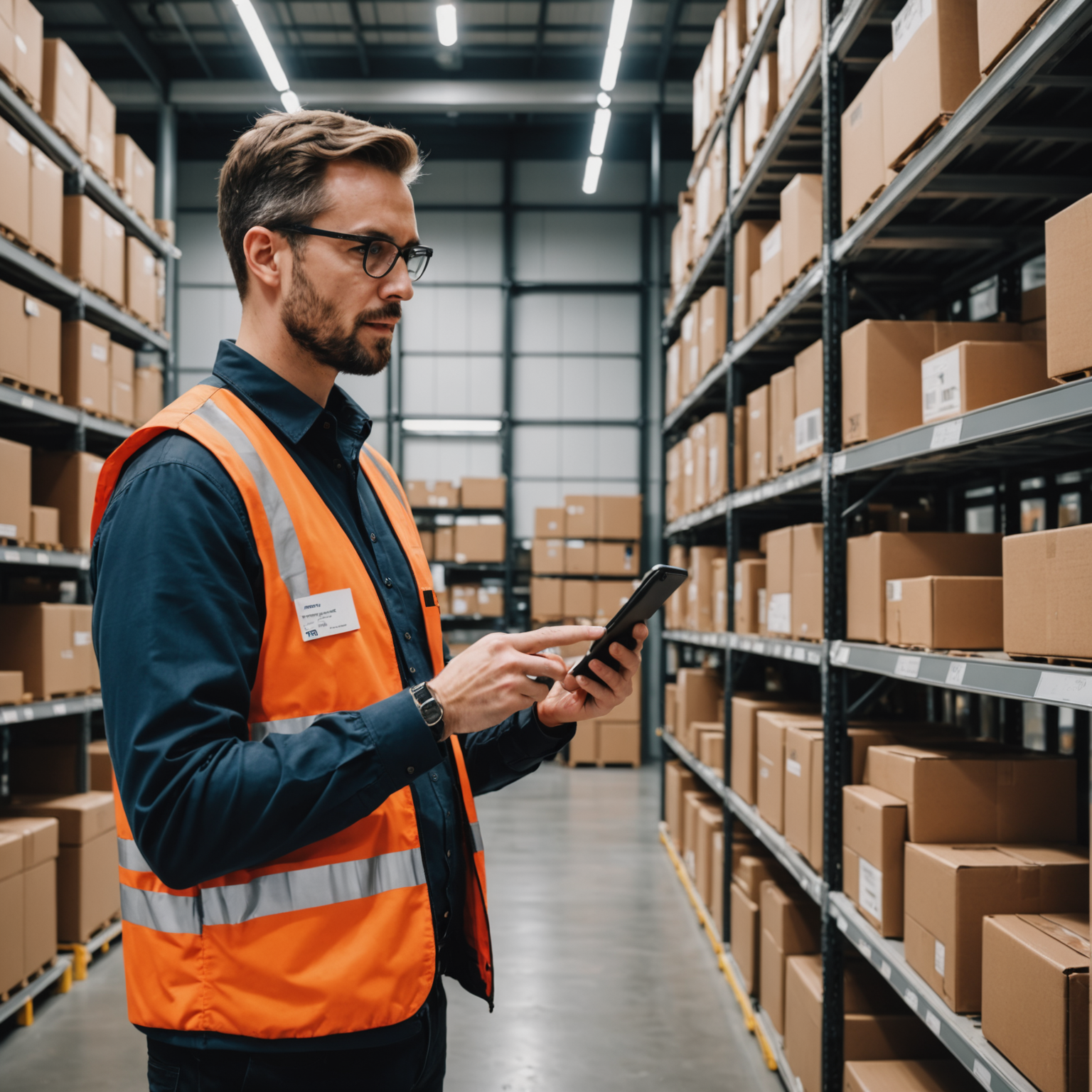
The rapid rise of quick-commerce and last-mile expectation in the UAE has driven the expansion of Micro-Fulfillment Centers (MFCs). Situated in or near dense urban hubs, MFCs operate under extreme spatial constraints.
To succeed, these urban dark stores rely heavily on specialized high-density mobile shelving and multi-tier mezzanine rack systems. Maximizing cubic space allows operators to stage thousands of SKUs within a localized, small-footprint facility, bringing inventory closer to the end consumer and enabling sub-hour delivery times.
The Role of AI-Driven Inventory Management in Storage Planning
Smart warehouse logistics relies on the seamless convergence of software and physical infrastructure. Modern AI-driven inventory management systems analyze order picking frequency, seasonal velocity, and SKU dimensions to optimize inventory placement continuously.
When AI software dictates slotting optimization, the physical storage layout must be adaptable. Modular industrial racking systems allow facility managers to easily adjust beam levels, extend vertical bays, or convert standard lanes into high-density shuttle zones based on real-time data insights.
How Mid-Market Warehouses Can Scale Without Massive Capital Expenditure
A common misconception among mid-market logistics managers is that modernizing a warehouse requires building a new facility or spending millions on fully robotic systems. This is rarely the case.
At Planet Racking, our named framework for pragmatic growth is the Density-First Optimization Framework:
- Audit Structural Cubic Volume: Measure unused vertical clearance rather than just floor space.
- Reconfigure Before Replacing: Upgrade structural racking profiles to support higher capacities and specialized mobile carriages.
- Targeted Modular Automation: Introduce automated pallet shuttles into existing high-density lanes to boost pick speeds without re-architecting the facility.
This approach allows mid-market companies to achieve double-digit throughput increases and expanded storage capacity while keeping capital expenditure disciplined and predictable.
Future-Proofing Your Facility: Choosing the Right Storage Partner in Dubai
Future-proofing your industrial operations requires more than buying steel racks out of a catalog. It demands a trusted structural storage partner who understands regional UAE building regulations, local supply chain pressures, and modern industrial engineering standards.
Planet Racking delivers smart, reliable storage solutions across logistics, manufacturing, retail, and industrial operations. By leveraging high-durability materials and customized engineering, we help businesses across the UAE and GCC region transform compromised layouts into high-performing fulfillment engines.
Stop letting inefficient storage layouts limit your operational growth and drive up costs.
Take the next step in modernizing your facility: Schedule a complimentary warehouse storage audit with the Planet Racking team today to identify efficiency gaps, optimize your spatial footprint, and build a high-performance logistics operation engineered for 2026 and beyond.
Related reading: Micro-Fulfillment Racking for UAE Logistics
Frequently asked questions
What are the biggest warehouse storage trends impacting UAE businesses in 2026?
In 2026, UAE businesses are focusing on urban proximity, rising costs per square meter, and labor shifts. Companies are increasingly prioritizing high-density storage solutions, vertical space optimization, and hybrid automation models to maintain efficiency while navigating the challenges of limited industrial space and the need for faster order fulfillment in a competitive logistics market.
How does high-density racking integrate with modern warehouse automation?
High-density racking integrates with automation through hybrid architecture. By combining structures like mobile shelving or shuttle systems with robotics like Autonomous Mobile Robots or semi-automated shuttles, facilities gain both space efficiency and speed. This modular approach allows operators to upgrade existing heavy-duty racks with automated components, increasing throughput without requiring a complete infrastructure overhaul.
What are the cost implications of upgrading to automated storage solutions?
Full-scale automation often requires significant capital and can take years to yield a full return on investment. However, phased automation strategies, such as adding semi-automated radio shuttles into existing high-density frames, allow businesses to achieve immediate efficiency gains and better throughput at a fraction of the cost, making it more accessible for mid-market operators.
How can companies balance rapid scalability with space constraints?
Companies manage this balance by shifting from horizontal expansion to vertical optimization. Utilizing high-density mobile shelving and multi-tier mezzanine rack systems allows facilities to maximize cubic storage volume without increasing their physical footprint. This strategy provides the density needed for rapid growth while adhering to the tight space constraints typical of urban logistics hubs.
Why is sustainability becoming a critical factor in industrial warehouse design?
Sustainability is critical because it directly reduces operating expenses. By using high-density storage to minimize the volume of air requiring climate control, warehouses lower their energy consumption significantly. Additionally, the use of sustainably sourced high-tensile steel and recyclable structural components improves the overall lifecycle efficiency and environmental impact of industrial storage facilities.
Do mid-market warehouses need massive capital to modernize operations?
No, mid-market warehouses can modernize without building new facilities or investing millions in full robotics. By using a density-first framework, companies can audit their cubic volume, reconfigure existing structural racking to increase capacity, and introduce targeted, modular automation like pallet shuttles. This pragmatic approach allows for scalable growth and significant efficiency improvements within current budgets.
