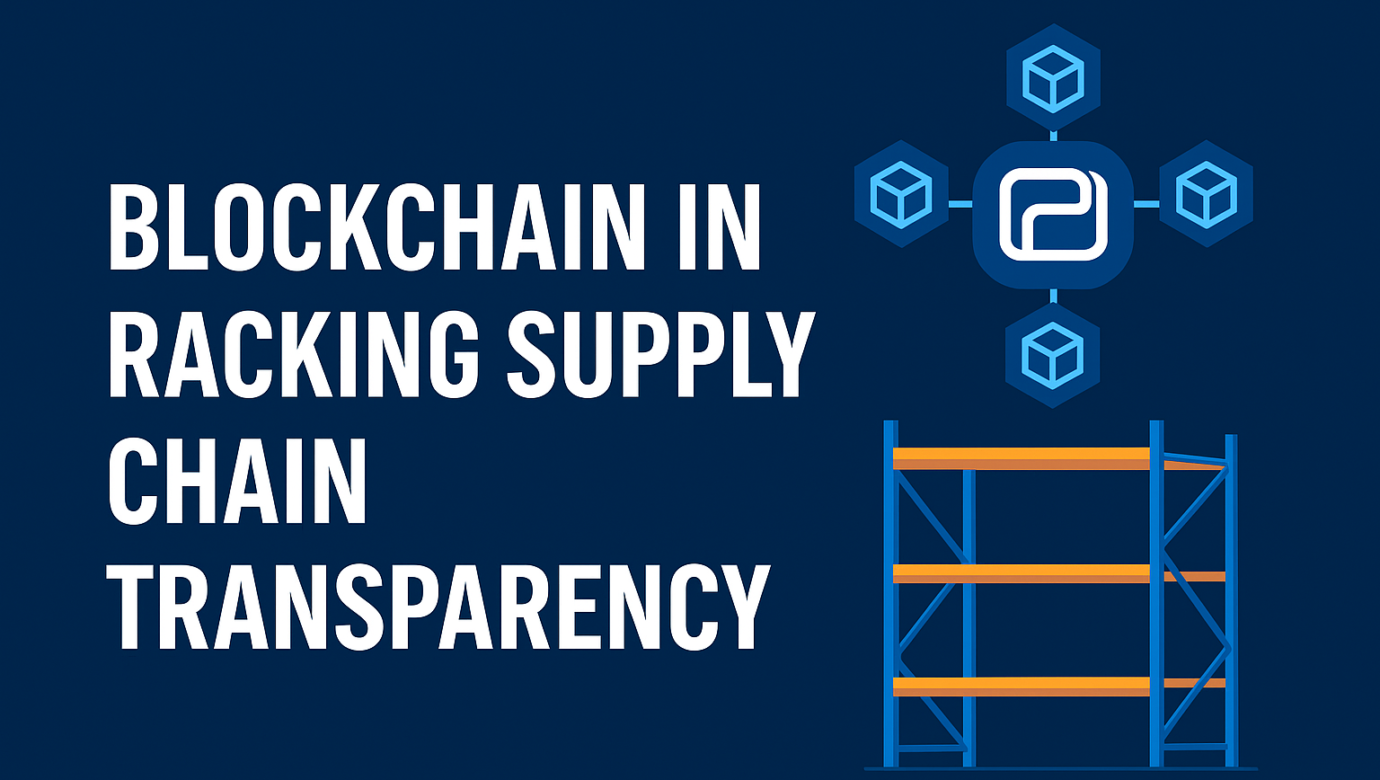
Blockchain in Racking Supply Chain Transparency

The warehousing and racking industry in the UAE is rapidly evolving, driven by digital transformation, automation, and sustainability initiatives. Among the latest disruptors shaping the future of logistics is blockchain technology. Originally designed to power cryptocurrencies, blockchain has found a strong foothold in industries that require traceability, transparency, and trust.
For warehouse operators and businesses investing in racking systems, blockchain provides an unprecedented level of supply chain visibility. From procurement of materials to installation of racks and ongoing maintenance, blockchain ensures that every transaction and movement is securely recorded and verifiable.
In this article, we will explore how blockchain warehouse UAE solutions are transforming racking operations, how traceability benefits logistics, and why companies in the UAE should consider adopting blockchain-driven supply chain models.
Why Blockchain in Warehousing & Racking?
1. The Problem with Traditional Supply Chains
Supply chains for racking systems involve multiple stakeholders:
- Manufacturers (steel, raw materials)
- Suppliers and distributors (rack components)
- Logistics providers (transport, customs clearance)
- Installation teams (assembling racks in warehouses)
- Maintenance partners
Without proper transparency, these steps can lead to:
- Delays in delivery
- Counterfeit materials entering the system
- Miscommunication between suppliers and warehouse managers
- Lack of accountability in case of damage or inefficiency
2. How Blockchain Solves These Issues
Blockchain creates a decentralized ledger where every transaction is securely recorded and cannot be altered. For warehousing and racking, this means:
- Traceability: Every rack component’s journey from manufacturer to warehouse is tracked.
- Authentication: Ensures materials are genuine and certified.
- Transparency: All stakeholders have access to the same verified data.
- Efficiency: Reduces manual paperwork, audits, and disputes.
Blockchain Applications in UAE Warehousing & Racking
1. Traceability in Racking Procurement
Blockchain ensures that every steel bar, beam, or upright used in warehouse racks is documented with digital certificates. UAE warehouses can verify:
- Source of raw materials
- Compliance with ISO and UAE safety standards
- Vendor authenticity
This eliminates risks of fake or substandard racking entering high-value storage facilities.
2. Installation & Maintenance Records
Each stage of rack installation can be logged into a blockchain system:
- Who installed the racks
- Date of installation
- Safety checks performed
Future maintenance activities are also recorded, creating a transparent rack lifecycle history.
3. Smart Contracts for Logistics
Smart contracts automate supply chain agreements. For example:
- A racking supplier in Dubai can set up a smart contract with a warehouse operator.
- Payment is automatically released once blockchain verifies delivery and installation.
- Reduces disputes and delays in payment cycles.
4. Inventory & Cold Storage Racking
For sectors like cold chain logistics in Dubai, blockchain helps:
- Track temperature-sensitive racks and materials.
- Verify that racks meet hygiene and safety standards.
- Maintain audit-ready compliance records.
Benefits of Blockchain Warehouse UAE for Racking
| Benefit | Impact on Racking Supply Chain |
|---|---|
| Transparency | All stakeholders view real-time data on rack procurement and installation |
| Traceability | Every rack component is tracked from production to warehouse floor |
| Fraud Prevention | Eliminates counterfeit or uncertified materials |
| Efficiency | Faster contracts, payments, and logistics coordination |
| Safety & Compliance | Ensures racks meet UAE warehouse regulations |
| Sustainability | Tracks eco-friendly sourcing and recycling of racking materials |
UAE’s Push for Blockchain in Logistics
The UAE has set ambitious targets for digital transformation in logistics. Initiatives like Dubai Blockchain Strategy and Smart Dubai are encouraging companies to adopt blockchain across supply chain operations.
In warehousing, this means:
- Customs clearance via blockchain for faster import of racking systems.
- Digital certifications to verify suppliers.
- Integration with AI and IoT for real-time tracking of warehouse infrastructure.
Future of Blockchain in Racking & Supply Chain
Over the next decade, UAE warehouses will see:
- Blockchain with IoT integration, racks with sensors linked to blockchain for automated reporting.
- AI-powered predictive maintenance using blockchain data to forecast rack performance.
- Green supply chains with blockchain verifying eco-friendly sourcing of steel and recycled materials.
- Widespread adoption making blockchain a standard compliance requirement in racking projects.
Best Practices for Adopting Blockchain in UAE Warehouses
- Start Small. Begin with a single project such as rack procurement before full-scale adoption.
- Train Stakeholders. Ensure suppliers, logistics teams, and warehouse managers understand blockchain systems.
- Use Smart Contracts. Automate payments, delivery confirmations, and compliance checks.
- Integrate with ERP. Connect blockchain data with warehouse management systems for seamless operations.
- Collaborate with Authorities. Align with UAE government initiatives to ensure compliance and smooth adoption.
FAQs on Blockchain in UAE Warehousing & Racking
Q1. What is blockchain in warehouse management?
Blockchain in warehouse management means using a digital ledger system to track inventory, racking components, and supply chain transactions securely and transparently.
Q2. How does blockchain improve racking procurement in the UAE?
It ensures that all racking materials are authentic, certified, and traceable from manufacturer to installation site, eliminating counterfeit risks.
Q3. Can blockchain reduce warehouse operational costs?
Yes. By automating contracts, minimizing disputes, and reducing paperwork, blockchain helps UAE warehouses save on administrative and logistics costs.
Q4. Is blockchain widely used in UAE logistics?
The UAE government has made blockchain a strategic priority, and many logistics companies are already piloting blockchain solutions for customs, procurement, and supply chain visibility.
Q5. How does blockchain ensure rack safety compliance?
Every rack’s installation, inspection, and maintenance records can be stored on blockchain, creating a transparent and tamper-proof compliance log.
Q6. Will blockchain work with cold storage racks?
Yes. Blockchain can log temperature compliance, safety checks, and material certifications for racks in cold chain warehouses.
Blockchain is no longer just a buzzword. It is becoming a critical enabler of trust and transparency in UAE warehousing and logistics. For the racking industry, blockchain provides a traceable, tamper-proof system to verify procurement, installation, and compliance.
As UAE warehouses embrace digital transformation, blockchain will play a key role in ensuring efficiency, safety, and sustainability across the supply chain. Businesses that adopt blockchain early will gain a competitive advantage in reliability and customer trust.
