

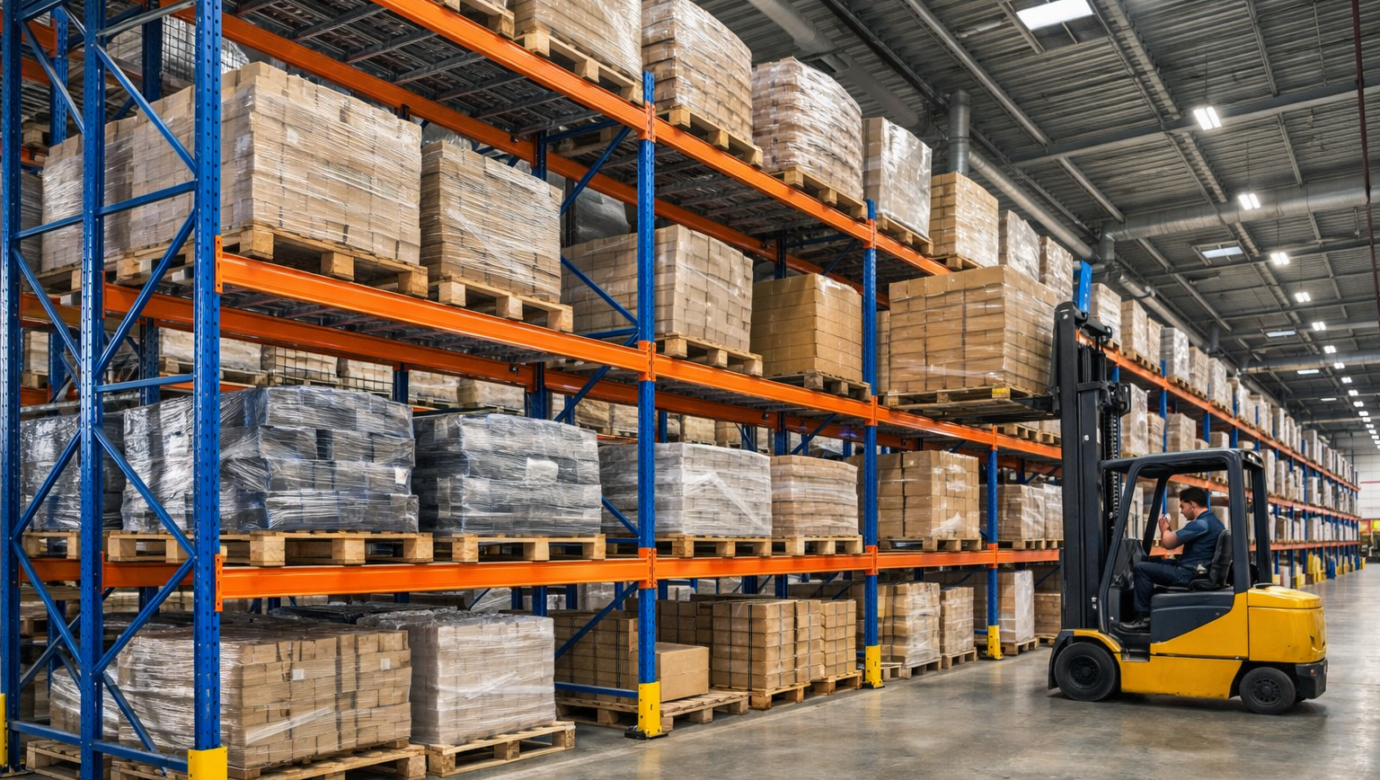
Heavy Duty Racking System: A Modern Solution for Warehouse Storage

A heavy duty racking system has become a critical component of modern warehouse infrastructure, enabling businesses to store large and heavy goods safely and efficiently. As global supply chains expand and warehouse operations become more complex, companies increasingly rely on structured storage systems to optimize space, improve inventory management, and enhance workplace safety.
Industrial sectors such as logistics, manufacturing, retail distribution, and cold storage facilities frequently use heavy-duty racking systems to manage bulk inventory. These storage frameworks are designed to support substantial loads while maintaining stability, accessibility, and long-term durability.
Industry analysts note that warehouse automation and e-commerce growth are accelerating the demand for structured storage solutions, making robust racking systems an essential part of modern supply chain operations.
What Is a Heavy Duty Racking System?
A heavy duty racking system is an industrial storage structure engineered to support high-weight loads using reinforced steel frames, beams, and shelving components. These systems are commonly installed in warehouses and distribution centers to organize palletized goods and large inventory items.
The primary purpose of heavy-duty racking is to maximize vertical storage space while ensuring safe and efficient product handling.
Key characteristics typically include:
- High load-bearing capacity
- Adjustable beam levels
- Modular configurations for different warehouse layouts
- Compatibility with forklifts and material-handling equipment
- Long-term structural durability
By enabling vertical storage, businesses can significantly increase warehouse capacity without expanding the facility footprint.
Why Warehouses Are Adopting Heavy Duty Storage Systems
Global logistics trends are reshaping how warehouses operate. As inventory volumes increase, companies must find ways to store goods more efficiently while maintaining operational safety.
Heavy-duty racking systems address these challenges in several ways.
Space Optimization
Warehouses often have large vertical space that remains underutilized. Heavy-duty racks allow companies to stack goods vertically, maximizing storage capacity without increasing floor space.
Improved Inventory Organization
Structured rack layouts create clearly defined storage locations. This improves product tracking, reduces retrieval time, and supports inventory management systems.
Operational Efficiency
When products are stored in organized racks, warehouse workers and automated equipment can access items more quickly. This leads to faster order fulfillment and improved workflow efficiency.
Enhanced Workplace Safety
Industrial racking systems are engineered to handle significant loads and maintain structural stability. Properly installed systems reduce the risks associated with stacking heavy goods on floors or unstable shelves.
Types of Heavy Duty Racking Systems Used in Warehouses
Different industries require different storage solutions. As a result, several types of heavy-duty racking systems are commonly used across logistics and manufacturing sectors.
Selective Pallet Racking
Selective pallet racks are among the most widely used warehouse storage systems. Each pallet position is directly accessible, making this configuration suitable for facilities that handle a wide variety of products.
Benefits include:
- Easy access to every pallet
- Flexible layout configuration
- Compatibility with standard forklifts
Drive-In and Drive-Through Racking
These systems allow forklifts to drive directly into the rack structure to load and retrieve pallets. They are commonly used for storing large volumes of similar products.
Advantages include:
- High-density storage
- Reduced aisle space requirements
- Ideal for bulk inventory
Cantilever Racking
Cantilever racks are designed for long, bulky items such as pipes, timber, and steel bars. The open-front design eliminates vertical columns that could obstruct loading.
Industries that use cantilever racking include:
- Construction materials suppliers
- Metal fabrication facilities
- Lumber warehouses
Push-Back Racking
Push-back systems store pallets on inclined rails, allowing multiple pallets to occupy the same lane. When one pallet is removed, the next moves forward automatically.
This system supports high-density storage while maintaining relatively fast product access.
Structural Components of a Heavy Duty Racking System
Heavy-duty racks rely on several core structural elements to support large loads safely.
Upright Frames
Uprights form the vertical support structure of the rack system. They are typically constructed from high-strength steel and anchored to the warehouse floor.
Load Beams
Horizontal beams connect upright frames and support pallet loads. Beam capacity varies depending on the weight requirements of the stored goods.
Decking Panels
Decking, often made from steel mesh or metal panels, provides additional support for stored items.
Safety Accessories
Modern warehouse racks frequently include safety components such as:
- Column protectors
- Pallet supports
- Rack guards
- Safety locking pins
These accessories help protect the structure from forklift impacts and ensure load stability.
Industry Applications of Heavy Duty Racking
Heavy-duty racking systems support a wide range of industrial applications.
Logistics and Distribution Centers
Large distribution hubs depend on organized pallet storage to handle incoming and outgoing goods efficiently.
Manufacturing Facilities
Factories often store raw materials, spare parts, and finished goods using heavy-duty racks to maintain production flow.
Cold Storage Warehouses
Temperature-controlled facilities use heavy-duty racks to store frozen food products and pharmaceuticals while maintaining structured inventory systems.
Retail and Wholesale Warehouses
Bulk storage for consumer goods often requires robust pallet racking solutions capable of handling high inventory turnover.
Safety and Compliance in Warehouse Racking Systems
Safety standards play a critical role in warehouse storage infrastructure. Improperly designed or overloaded racks can create serious hazards in industrial environments.
Many regions follow internationally recognized guidelines such as those developed by:
- The Rack Manufacturers Institute (RMI)
- Occupational safety authorities
- Structural engineering standards for industrial storage systems
Regular rack inspections are widely recommended to identify potential damage or structural stress.
Best practices include:
- Routine visual inspections
- Load capacity labeling
- Staff training on proper loading procedures
- Immediate repair of damaged components
Maintaining these safety protocols helps protect workers and inventory while extending the lifespan of the storage system.
The Role of Heavy Duty Racking in Modern Supply Chains
The growth of e-commerce, global logistics networks, and automated warehouses has significantly increased the demand for efficient storage infrastructure.
Warehouse design experts note several emerging trends:
- Integration with warehouse management systems (WMS)
- Compatibility with automated storage and retrieval systems (AS/RS)
- Higher-density storage configurations
- Modular rack designs for flexible expansion
As supply chains become more data-driven and responsive, heavy-duty racking systems continue to serve as the structural backbone of modern warehouses.
Key Takeaways
Heavy-duty racking systems are essential for businesses that handle large volumes of goods. These industrial storage structures allow warehouses to store heavy inventory safely while maximizing space and improving operational efficiency.
Key points include:
- Designed for high load capacity and long-term durability
- Used across logistics, manufacturing, retail, and cold storage sectors
- Available in multiple configurations depending on warehouse needs
- Improve inventory organization and workflow efficiency
- Require regular inspections to maintain safety and structural integrity
As global commerce continues to expand, structured storage solutions like heavy-duty racking systems are likely to remain central to warehouse operations worldwide.
FAQs
A heavy duty racking system is used to store large, heavy, or palletized goods in warehouses and industrial facilities. These systems provide structured vertical storage, helping businesses maximize space, improve inventory organization, and safely manage high-weight loads in logistics, manufacturing, and distribution environments.
The load capacity of a heavy duty racking system varies depending on its design, materials, and configuration. Many industrial racks can support several thousand kilograms per level. Manufacturers typically specify load ratings to ensure safe operation and compliance with structural safety standards.
What industries use heavy duty racking systems?
Heavy duty racking systems are widely used in logistics, manufacturing, retail distribution, construction supply, and cold storage industries. Any sector that manages large quantities of palletized goods or heavy materials benefits from organized and durable warehouse storage infrastructure.
Common types include selective pallet racking, drive-in racking, push-back racking, and cantilever racking. Each design serves different storage needs, such as bulk inventory storage, long materials handling, or high-density warehouse layouts.
Warehouse racking safety is essential to prevent structural failures, product damage, and workplace accidents. Regular inspections, proper loading practices, and adherence to load limits help maintain rack stability and protect workers operating in high-traffic warehouse environments.
