
What is a heavy duty racking system?
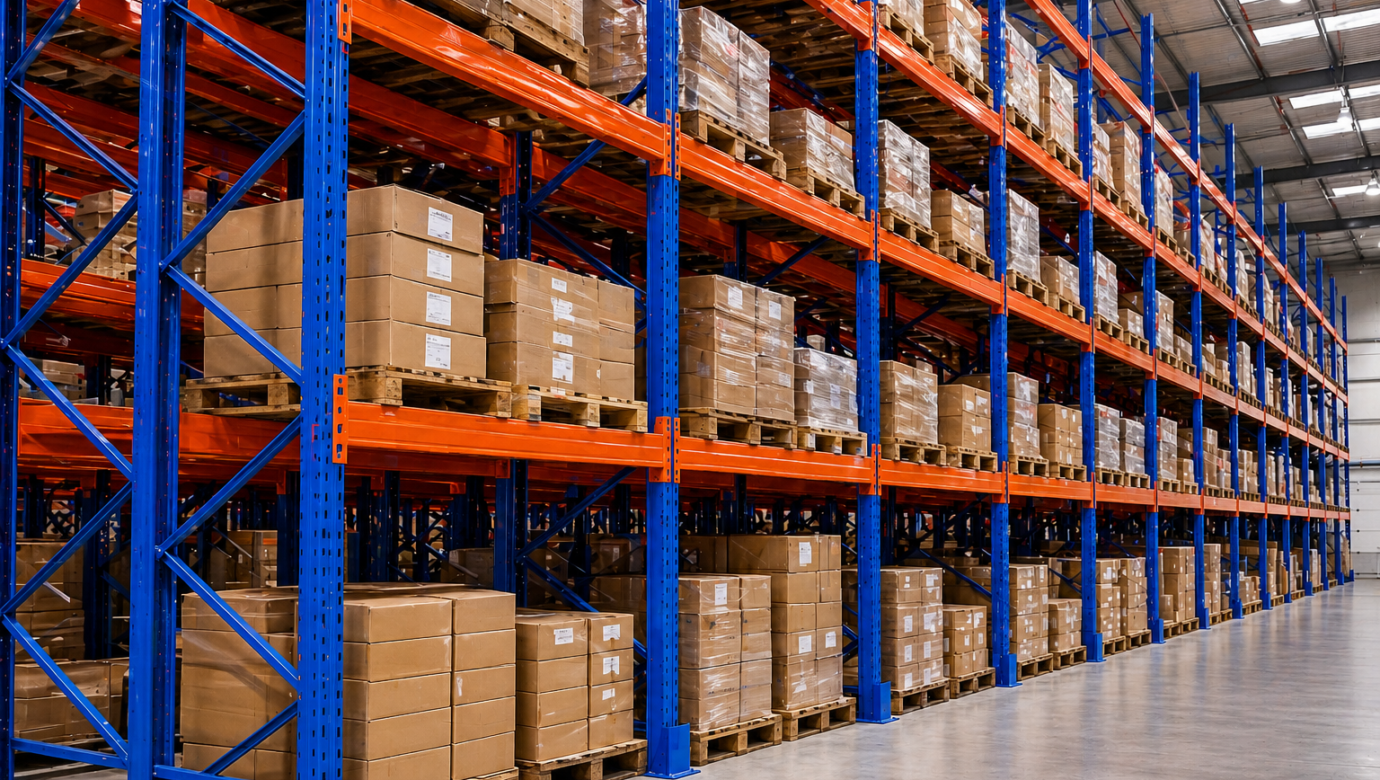
A heavy duty racking system is a type of industrial storage solution designed to store large, bulky, and high-weight goods in warehouses, distribution centers, and manufacturing facilities. Built using robust materials such as high-grade steel, these systems are engineered to handle substantial loads while optimizing vertical and horizontal storage space.
As global logistics and supply chains continue to expand, businesses are increasingly adopting structured storage systems to improve efficiency, safety, and inventory management. Heavy duty racking systems play a central role in these operations by enabling organized, scalable, and high-capacity storage.
Understanding the Heavy Duty Racking System
A heavy duty racking system consists of interconnected frames, beams, and decking components that create multiple storage levels. These systems are specifically designed to support palletized goods and heavy inventory loads, often exceeding several tons per level.
Key Components
- Upright Frames: Vertical structures that provide overall support
- Load Beams: Horizontal bars that hold pallets or goods
- Decking Panels: Surfaces that support non-palletized items
- Base Plates and Anchors: Ensure stability and safety
- Bracing Systems: Reinforce structural integrity
Together, these components form a durable storage framework capable of handling intensive warehouse demands.
Types of Heavy Duty Racking Systems
Different industries require tailored storage solutions. Several types of heavy duty racking systems are widely used:
Selective Pallet Racking
This is the most common system, offering direct access to each pallet. It is suitable for warehouses with varied inventory and frequent stock rotation.
Drive-In and Drive-Through Racking
Designed for high-density storage, these systems allow forklifts to enter the rack structure. They are ideal for bulk storage with fewer product variations.
Cantilever Racking
Used for storing long or irregular items such as pipes, timber, or steel bars. It features arms extending from a central column.
Push Back Racking
This system uses inclined rails and carts, allowing multiple pallets to be stored in depth. It improves storage density while maintaining accessibility.
Pallet Flow Racking
Utilizing gravity rollers, this system ensures automatic stock rotation, making it suitable for perishable goods and FIFO (First-In, First-Out) operations.
Benefits of Heavy Duty Racking Systems
Heavy duty racking systems offer several operational and economic advantages:
- Maximized Storage Space: Efficient use of vertical warehouse space
- Improved Inventory Management: Organized layout enables easier tracking
- Enhanced Safety: Engineered to support heavy loads securely
- Operational Efficiency: Faster loading and unloading processes
- Scalability: Systems can be expanded as storage needs grow
According to logistics industry analyses, optimized racking layouts can improve warehouse efficiency by up to 30%, depending on operational design and inventory flow.
Applications Across Industries
Heavy duty racking systems are widely used in sectors that handle large volumes of goods:
Warehousing and Logistics
Distribution centers rely on these systems to manage palletized inventory efficiently.
Manufacturing
Factories use heavy duty racks to store raw materials and finished products.
Retail and E-commerce
Large-scale retail operations depend on organized storage for fast order fulfillment.
Cold Storage
Specialized heavy duty racks are used in temperature-controlled environments to store perishable items safely.
Safety Standards and Load Considerations
Proper installation and maintenance are critical for the safe operation of a heavy duty racking system. Industry standards emphasize:
- Regular inspection for structural damage
- Adherence to load capacity limits
- Proper anchoring and leveling
- Employee training for equipment handling
Organizations such as the Occupational Safety and Health Administration (OSHA) and the Rack Manufacturers Institute (RMI) provide guidelines to ensure safe usage and prevent workplace accidents.
How to Choose the Right Heavy Duty Racking System
Selecting an appropriate system depends on several operational factors:
Warehouse Layout
Available floor space and ceiling height influence system design.
Load Requirements
Weight, size, and type of goods determine structural specifications.
Inventory Turnover
Fast-moving goods require easy access systems like selective racking.
Handling Equipment
Compatibility with forklifts and other machinery is essential.
Future Expansion
Flexible designs allow businesses to scale storage capacity over time.
Heavy Duty Racking System in Modern Supply Chains
With the rise of automation and smart warehousing, heavy duty racking systems are evolving. Many facilities now integrate these systems with warehouse management software (WMS), robotics, and automated retrieval systems.
This integration enhances accuracy, reduces manual labor, and supports real-time inventory tracking, aligning with global trends in digital logistics and Industry 4.0.
Key Takeaways
- A heavy duty racking system is essential for storing large and heavy goods efficiently
- Multiple system types cater to different storage and operational needs
- These systems improve space utilization, safety, and workflow efficiency
- Proper design, installation, and maintenance are critical for long-term performance
- They play a vital role in modern, technology-driven supply chains
FAQs
What is a heavy duty racking system used for?
A heavy duty racking system is used to store large, heavy, and palletized goods in warehouses and industrial facilities. It helps organize inventory, maximize space, and improve handling efficiency, making it essential for logistics, manufacturing, and retail operations.
How much weight can a heavy duty racking system hold?
The load capacity of a heavy duty racking system varies based on design and materials. Typically, each level can support anywhere from 500 kg to several tons. Manufacturers provide specific load ratings that must be followed to ensure safety and structural integrity.
What industries use heavy duty racking systems?
Heavy duty racking systems are widely used in warehousing, logistics, manufacturing, retail, and cold storage industries. Any sector dealing with bulk goods or palletized inventory benefits from their durability and efficient storage capabilities.
What is the difference between light and heavy duty racking?
Light duty racking is designed for smaller, lighter items and manual handling, while heavy duty racking supports large, heavy loads and often requires forklifts. Heavy duty systems are more robust and suitable for industrial-scale operations.
How do you maintain a heavy duty racking system?
Maintenance involves regular inspections, checking for damage, ensuring proper load distribution, and repairing or replacing worn components. Following safety guidelines and training staff on correct usage also helps extend the system’s lifespan and prevent accidents.
