
Modern Industry Storage Solutions Simplified
Modern industry storage solutions are becoming essential as warehouses, logistics hubs, and manufacturing facilities face increasing pressure to optimize space and improve operational efficiency. Across global markets, including rapidly growing logistics sectors in the Middle East, companies are rethinking how storage infrastructure supports productivity, safety, and scalability.
As supply chains become more complex and demand fluctuates, storage systems are no longer just static installations. They now play a central role in enabling efficient workflows, reducing operational costs, and supporting business growth.
The Growing Importance of Storage in Industrial Operations
Industrial storage has evolved significantly over the past decade. According to data from global logistics analysts, warehouse demand has increased alongside e-commerce expansion and regional trade growth. This shift has placed greater emphasis on structured, scalable storage systems.
Modern facilities must address several operational challenges:
- Limited floor space in urban industrial zones
- Rising inventory volumes and SKU diversity
- Faster order fulfillment expectations
- Workplace safety compliance requirements
Efficient storage systems help organizations respond to these challenges by improving accessibility and maximizing vertical space usage.
How Modern Industry Storage Solutions Improve Efficiency
Space Optimization Through Smart Design
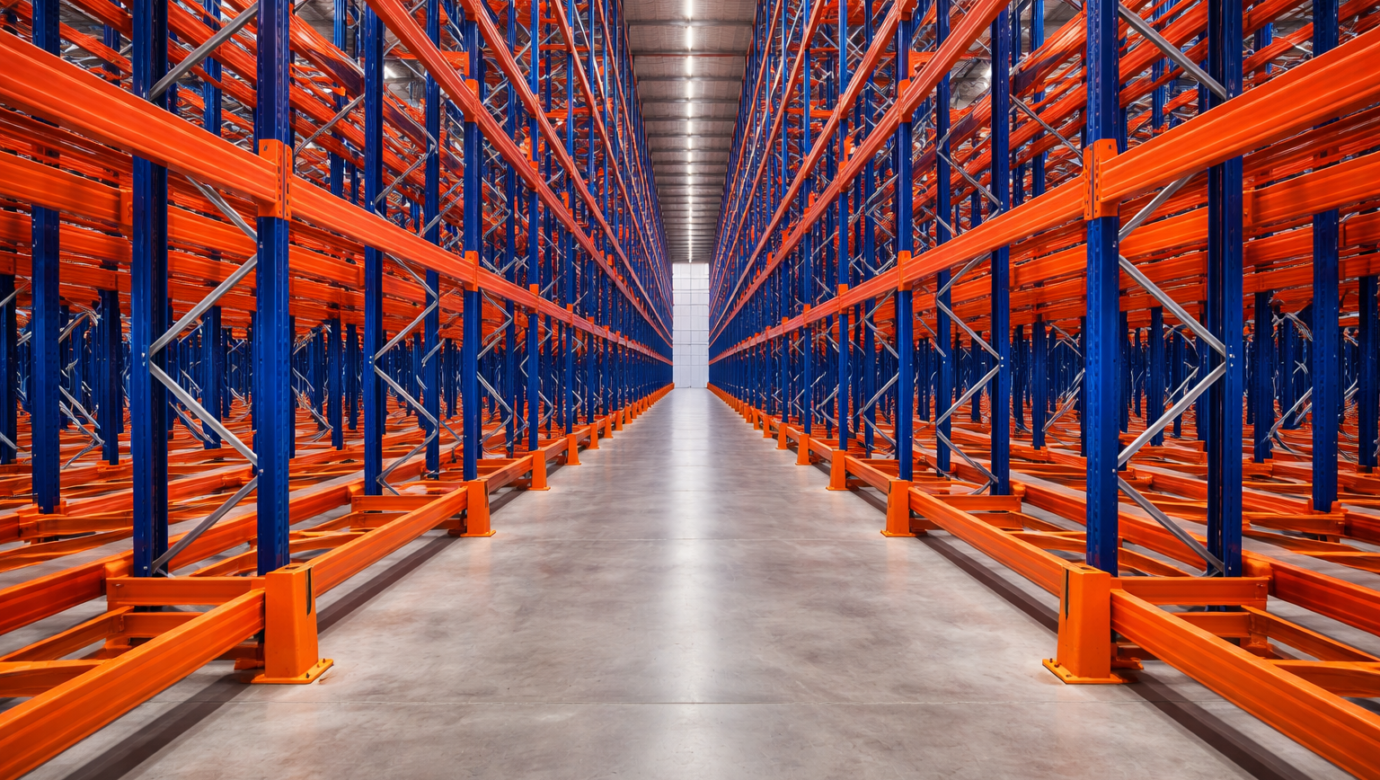
One of the key advantages of modern storage systems is their ability to utilize available space effectively. By integrating vertical racking, modular shelving, and custom layouts, warehouses can significantly increase storage density without expanding their footprint.
Typical features include:
- High-rise pallet racking systems
- Adjustable shelving configurations
- Multi-tier storage structures
These solutions enable better organization and reduce wasted space, particularly in high-demand logistics environments.
Workflow Enhancement and Faster Operations
Efficient storage design directly impacts workflow. When goods are stored systematically, picking and replenishment processes become faster and more accurate.
Operational improvements often include:
- Reduced travel time for warehouse staff
- Streamlined picking routes
- Improved inventory visibility
Industry studies show that optimized storage layouts can reduce order processing times by up to 30%, depending on facility size and complexity.
Custom Warehouse Design for Industry-Specific Needs
Tailored Storage for Diverse Sectors
Different industries require specialized storage approaches. For example:
- Logistics and distribution centers prioritize high-density pallet storage
- Manufacturing facilities require easy access to raw materials and components
- Cold storage environments need temperature-resistant racking systems
Custom warehouse design ensures that storage systems align with operational requirements rather than forcing businesses to adapt to generic layouts.
Engineering-Led Planning and Execution
Modern storage infrastructure is often developed through a structured design process:
- Site assessment and space analysis
- Load capacity planning and safety evaluation
- System selection and layout design
- Manufacturing and installation
This engineering-led approach ensures durability, compliance, and long-term usability.
Industrial-Grade Durability and Safety Standards
Built for Demanding Environments
Industrial storage systems must withstand heavy loads, constant movement, and environmental stress. High-quality materials, such as reinforced steel, are commonly used to ensure structural integrity.
Durability considerations include:
- Load-bearing capacity
- Resistance to corrosion and wear
- Stability under dynamic conditions
Properly designed systems reduce maintenance costs and extend operational lifespan.
Safety as a Core Requirement
Workplace safety remains a critical factor in warehouse operations. Storage systems are designed to minimize risks associated with:
- Overloading
- Improper stacking
- Equipment collisions
Compliance with international safety standards helps protect both workers and inventory while reducing liability risks.
The Role of Storage Systems in Logistics Growth
Supporting Regional and Global Supply Chains
As logistics networks expand, especially in trade-driven regions, storage infrastructure becomes a key enabler of growth. Efficient warehouses allow businesses to handle higher volumes without compromising speed or accuracy.
Key contributions include:
- Improved inventory turnover
- Faster order fulfillment
- Enhanced scalability during peak demand
This makes storage systems a strategic investment rather than a purely operational expense.
Technology Integration in Modern Storage Systems
Smarter Warehousing Through Innovation
Technology is increasingly integrated into storage environments. While racking systems remain physical structures, they are often paired with digital tools such as:
- Warehouse Management Systems (WMS)
- Barcode and RFID tracking
- Automated picking solutions
These integrations improve inventory accuracy and provide real-time operational insights.
Why Modern Industry Storage Solutions Matter
Modern industry storage solutions are no longer optional in competitive markets. They directly influence how efficiently businesses can operate, scale, and respond to changing demand patterns.
Key benefits include:
- Better space utilization
- Increased operational efficiency
- Enhanced safety and compliance
- Long-term cost savings
Organizations that invest in structured storage infrastructure are better positioned to adapt to evolving supply chain requirements.
Key Takeaways
- Storage systems are central to modern industrial efficiency
- Custom warehouse design improves workflow and space utilization
- Durable materials and engineering ensure long-term performance
- Safety and compliance are critical components of storage planning
- Technology integration enhances visibility and operational control
FAQs
1. What are modern industry storage solutions?
Modern industry storage solutions refer to advanced systems such as pallet racking, modular shelving, and automated storage designed to optimize warehouse space and efficiency. These systems are engineered to support high-volume operations while improving accessibility, safety, and inventory management.
2. How do storage systems improve warehouse efficiency?
Storage systems improve efficiency by organizing inventory systematically, reducing retrieval time, and maximizing available space. Optimized layouts enable faster picking processes, better inventory tracking, and reduced labor effort, contributing to smoother warehouse operations overall.
3. Why is custom warehouse design important?
Custom warehouse design ensures that storage systems align with specific operational needs. Different industries require unique layouts, load capacities, and accessibility features. Tailored solutions improve workflow efficiency, safety, and long-term usability compared to standard designs.
4. What materials are used in industrial storage systems?
Industrial storage systems are typically constructed from high-strength steel to ensure durability and load-bearing capacity. These materials are chosen for their resistance to wear, corrosion, and heavy usage, making them suitable for demanding industrial environments.
5. How do storage solutions support logistics growth?
Storage solutions support logistics growth by enabling higher storage density, faster inventory turnover, and efficient order fulfillment. Well-designed systems help businesses scale operations, manage increased demand, and maintain accuracy across supply chain processes.
