

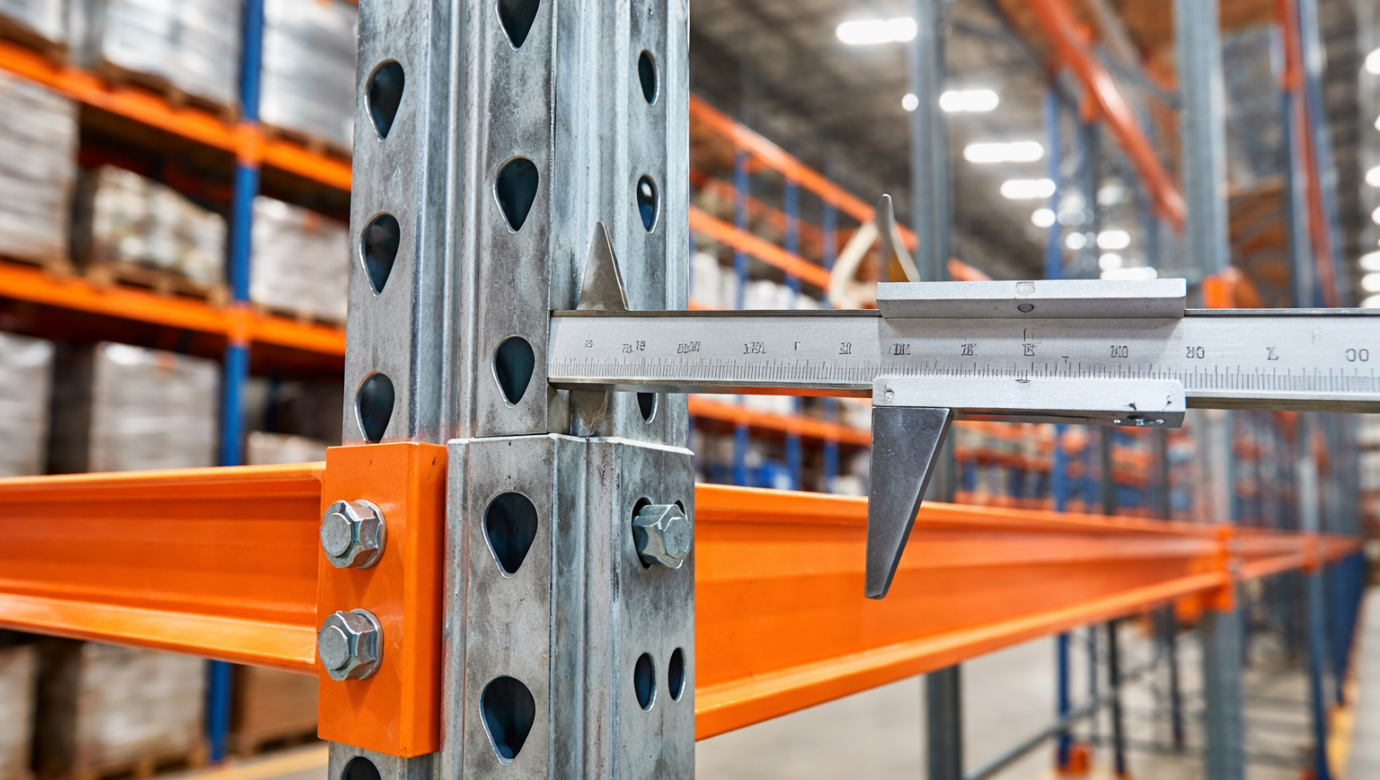
Engineering Tolerances in Heavy-Duty Rack Fabrication
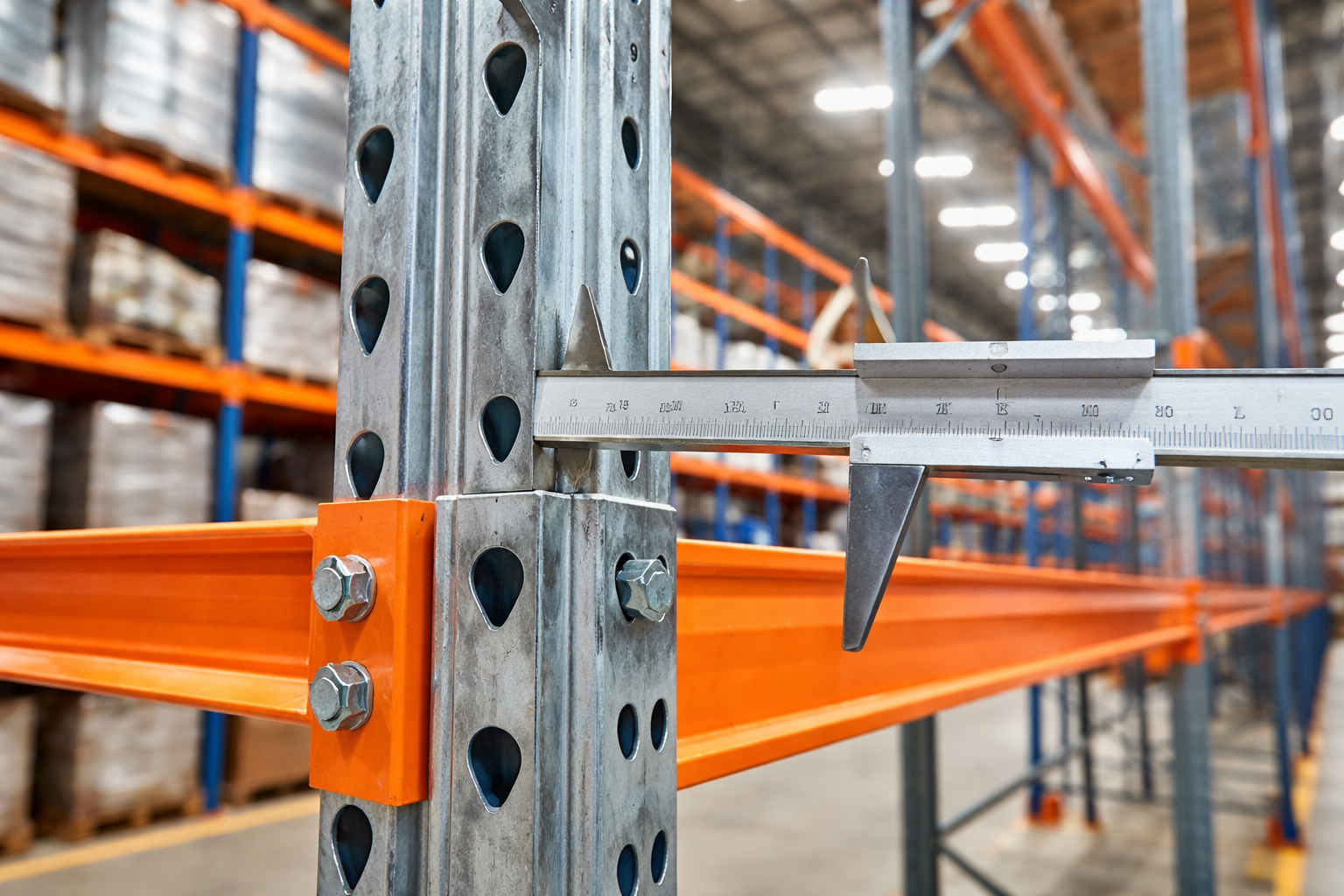
In industrial storage systems, rack fabrication tolerances play a decisive role in safety, durability, and long-term performance. Even minor deviations in steel dimensions or alignment can affect load distribution, structural stability, and compliance with engineering standards. For procurement teams and facility planners, understanding how manufacturing tolerances influence rack lifespan is essential when evaluating build quality and risk.
As warehouses handle higher loads and automated systems become more common, tolerance control is no longer a technical afterthought. It is a core engineering requirement that directly impacts operational reliability.
What Are Rack Fabrication Tolerances?
Rack fabrication tolerances refer to the acceptable limits of variation in dimensions, alignment, thickness, and straightness during the manufacturing of steel racking components. These limits account for practical manufacturing realities while ensuring racks perform as designed under load.
Typical tolerance considerations include:
- Upright straightness and vertical alignment
- Beam length and end-connector positioning
- Hole spacing accuracy for adjustable levels
- Steel thickness consistency
These parameters are defined by engineering standards and internal quality controls to balance manufacturability with structural precision.
Why Rack Fabrication Tolerances Matter in Heavy-Duty Systems
Structural Safety and Load Performance
In heavy-duty applications, racks operate close to their designed load capacities. Tight fabrication tolerances ensure that:
- Loads transfer evenly through uprights and beams
- Stress concentrations are minimized
- Deflection remains within safe limits
According to structural engineering principles referenced by organizations such as the Rack Manufacturers Institute (RMI), even small misalignments can reduce effective load capacity when multiplied across large systems.
Long-Term Durability
Poor tolerance control can accelerate wear and fatigue. Over time, this may lead to:
- Loosened connections
- Progressive deformation
- Reduced rack lifespan
Maintaining proper tolerances supports consistent performance throughout the rack’s service life.
Safety Tolerances and Regulatory Expectations
Industrial racking systems must align with recognized safety tolerances established by regional and international standards. These standards are designed to protect workers, goods, and infrastructure.
Key safety-related tolerance areas include:
- Upright plumbness to prevent rack sway
- Connector fit to avoid beam disengagement
- Level consistency across bays
Inspection bodies often assess tolerance compliance during audits, making fabrication accuracy a factor in regulatory approval and insurance evaluations.
The Role of Steel Precision in Build Quality
Steel precision is foundational to build quality. Consistent steel thickness, accurate punching, and controlled welding processes help manufacturers achieve repeatable tolerances across large production runs.
High build quality is typically associated with:
- Reduced on-site installation adjustments
- Predictable system behavior under load
- Lower maintenance requirements
For procurement teams, tolerance transparency can serve as a measurable indicator of manufacturing discipline.
How Tolerances Affect Installation and Expansion
Racking systems are rarely static. Facilities expand, reconfigure layouts, or integrate automation over time. When rack fabrication tolerances are tightly controlled:
- Components fit seamlessly during installation
- Future expansions align without modification
- System integrity remains intact across upgrades
Loose tolerances, by contrast, often require on-site corrections that increase labor time and introduce variability.
Key Takeaways for Procurement Teams
Understanding fabrication tolerances helps decision-makers evaluate more than just price. It supports informed assessments of safety, reliability, and total cost of ownership.
Key considerations include:
- Documented tolerance specifications
- Alignment with recognized engineering standards
- Consistency across production batches
These factors contribute directly to operational confidence and long-term value.
FAQs
Rack fabrication tolerances define the allowable dimensional and alignment variations in steel racking components. They ensure racks perform safely under load while accommodating practical manufacturing limits. Proper tolerances help maintain structural integrity, safety compliance, and consistent installation outcomes.
Rack fabrication tolerances affect how loads transfer through a racking system. Inaccurate tolerances can create uneven stress, increasing the risk of deformation or failure. Controlled tolerances support predictable structural behavior and help meet safety standards in industrial environments.
Tight tolerance control reduces misalignment and connection wear over time. This minimizes fatigue, prevents progressive damage, and extends rack lifespan. Poor tolerances can shorten service life by accelerating structural degradation under repeated loading cycles.
Yes. Many regional and international standards specify acceptable tolerance ranges for industrial racking. These guidelines help ensure safety, consistency, and performance. Compliance is often reviewed during inspections and safety audits.
Procurement teams should review documented tolerance specifications, quality control processes, and standard compliance. Clear tolerance data indicates manufacturing precision and helps assess long-term reliability, installation efficiency, and overall system quality.
