
How Pallet Quality Impact Affects Rack Life Span
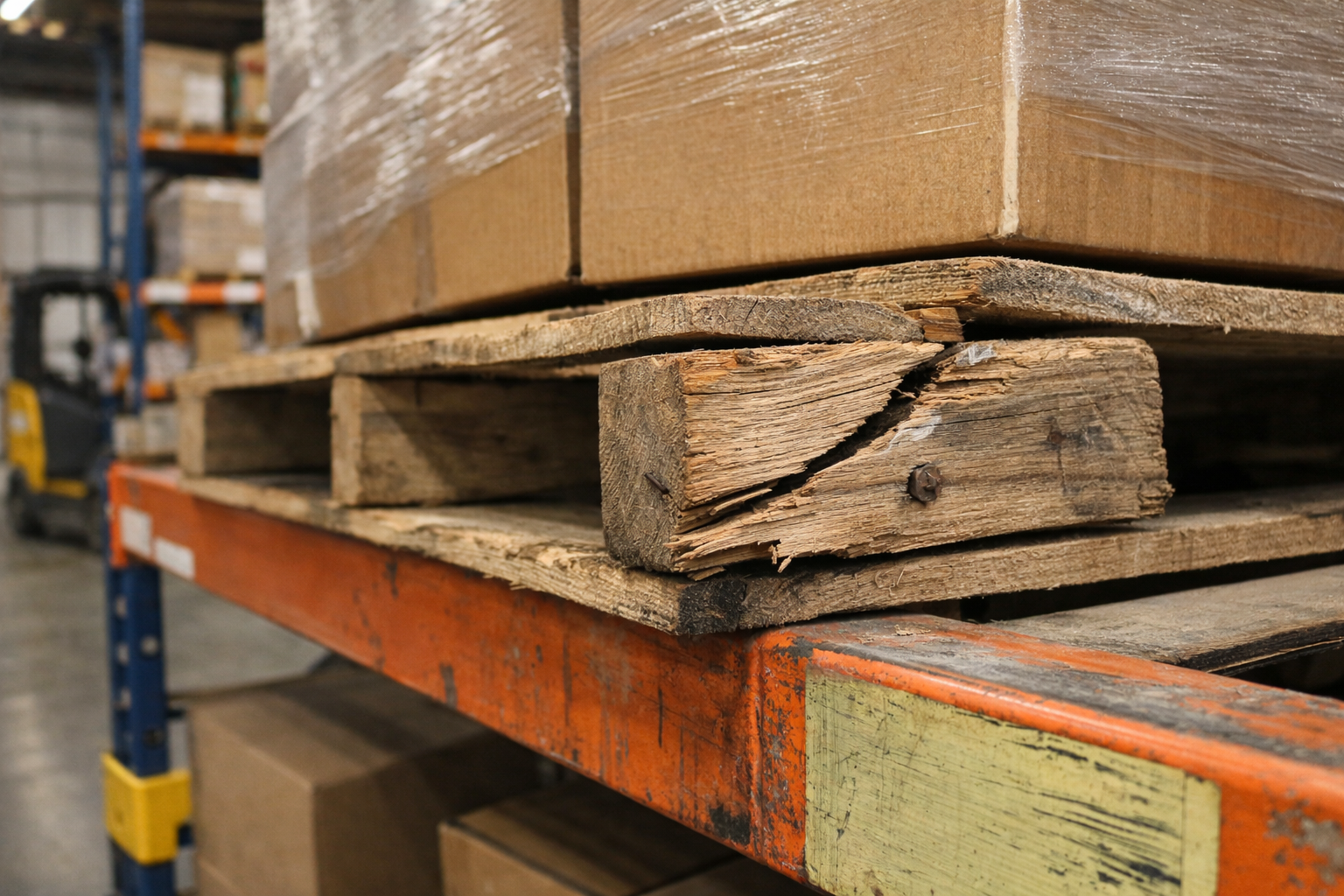
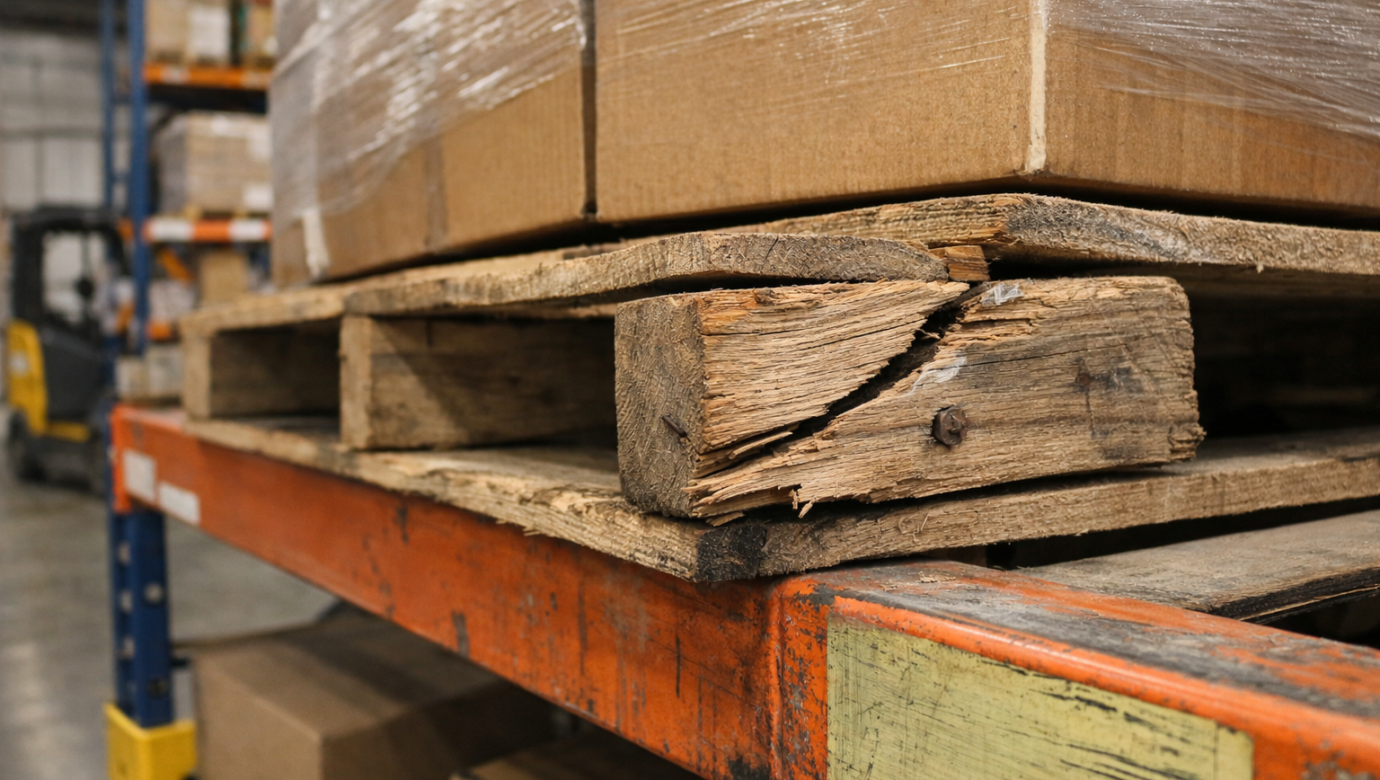
The pallet quality impact on warehouse racking systems is often underestimated. Yet, damaged or poorly maintained pallets are a leading contributor to rack deterioration, structural stress, and safety risks in storage facilities. Industry safety reviews show that pallet defects frequently trigger load instability and forklift collisions, both of which shorten rack life span and increase repair costs.
Warehouse operators, safety managers, and maintenance teams are paying closer attention to pallet condition as facilities handle heavier loads and faster inventory turnover. Understanding how pallet integrity influences rack performance can help reduce accidents, improve compliance, and extend infrastructure longevity.
Why Pallet Condition Matters in Warehouse Safety
Pallets act as the direct interface between stored goods and racking systems. When pallets are compromised, the load they carry becomes unstable. This instability transfers stress to rack beams and uprights.
Common pallet defects include:
- Cracked or split deck boards
- Missing bottom boards
- Protruding nails or fasteners
- Warped frames from moisture exposure
- Previous forklift impact damage
Even minor defects can shift load weight unevenly. Over time, this imbalance leads to metal fatigue and misalignment within rack structures.
Pallet Quality Impact on Rack Life Span
The pallet quality impact becomes clear when examining how racks fail. Racking systems are engineered for specific load distributions. Damaged pallets alter those distributions, increasing pressure on certain points.
Structural Stress Accumulation
When pallets sag or tilt, beams experience uneven force. Repeated stress cycles weaken welds and connectors, reducing the rack’s service life.
Increased Forklift Collisions
Broken pallets often force operators to adjust positioning mid-lift. This increases the risk of forklift forks striking rack uprights or beams, one of the most common causes of structural damage in warehouses.
Load Drop Incidents
If a pallet collapses, falling goods can strike lower rack levels. These impacts may bend beams or compromise upright frames, requiring immediate repair.
According to warehouse safety organizations, impact-related damage accounts for a large share of rack failures globally. Many of these incidents originate from pallet instability rather than direct operator error.
How Damaged Pallets Contribute to Forklift Damage
Forklift operators rely on stable pallet entry points. When boards are cracked or missing, forks may slip or snag. This leads to sudden jerks, which increase the chance of hitting rack components.
Key risk factors include:
- Forks penetrating weakened pallet boards
- Load shifting during elevation
- Pallet breakage while in motion
- Emergency stops caused by unstable loads
Each of these scenarios increases collision probability, accelerating rack wear.
Warning Signs of Pallet-Related Rack Stress
Routine inspections can reveal early signs of rack strain caused by poor pallet quality.
Look for:
- Beam deflection or sagging
- Twisted or misaligned uprights
- Scrape marks at beam entry points
- Loose beam connectors
- Repeated damage in the same rack bay
These patterns often indicate that pallet integrity, not rack design, is the underlying issue.
Preventive Measures to Reduce Rack Damage
Improving pallet quality control can significantly extend rack life span.
Establish a Pallet Inspection Program
Warehouses should inspect pallets at receiving and before reuse. Remove any with structural defects.
Train Staff on Pallet Handling
Operators should report damaged pallets immediately and avoid using compromised units, even for light loads.
Use Standardized Pallet Specifications
Uniform pallet sizes and weight ratings ensure racks receive consistent load distribution.
Repair or Recycle Damaged Pallets
Minor issues can be fixed, but severely damaged pallets should be recycled to prevent future incidents.
The Financial Impact of Ignoring Pallet Quality
Rack repairs, replacements, and downtime create unexpected operational costs. Structural repairs also require unloading inventory, which disrupts workflow.
Indirect costs include:
- Safety incident investigations
- Insurance claims
- Productivity losses during repairs
- Regulatory non-compliance risks
By comparison, implementing a pallet quality control program is often less expensive than repairing structural damage.
Key Takeaways
- Pallet defects directly affect rack stability and longevity
- Uneven loads accelerate structural fatigue
- Forklift impacts often stem from pallet instability
- Early inspection can prevent long-term rack damage
- Strong pallet management supports safer warehouse operations
FAQs
Pallet quality impact rack life span by altering load distribution. Damaged pallets cause uneven weight transfer, which stresses rack beams and uprights. Over time, this leads to metal fatigue, misalignment, and a higher likelihood of structural failure, especially in high-throughput warehouse environments.
The most hazardous pallet defects include cracked deck boards, missing bottom supports, and protruding nails. These issues can cause load shifts or pallet collapse, increasing the risk of falling goods and rack impacts. Even small defects can lead to cumulative structural stress.
Yes, damaged pallets frequently contribute to forklift instability. Forks may slip through weakened boards or catch on broken components. This can cause sudden load shifts, emergency stops, or collisions with racking structures, raising the risk of both equipment and structural damage.
Pallets should be inspected during receiving, before reuse, and during routine safety checks. High-traffic facilities may require daily visual inspections. Regular checks help identify structural weaknesses early and prevent damaged pallets from entering storage racks.
Repairing pallets can be effective when damage is minor and structural integrity can be restored. However, severely weakened pallets should be recycled. Using unsafe pallets to save costs can lead to rack damage and safety incidents that are far more expensive in the long term.
