
Unlocking Efficiency: The Benefits of Racking Systems in the UAE
Introduction to Racking Systems
Racking systems are essential components of modern storage and warehousing solutions, designed to maximize space utilization and improve operational efficiency. These systems enable businesses to organize and store materials, products, and inventory systematically, allowing for easier access and better management. The significance of racking systems cannot be overstated, particularly within the competitive landscape of the UAE, where efficient space management translates directly into cost savings and enhanced productivity.
Various types of racking systems exist, each tailored to meet the distinct needs of different industries. The most common types include selective pallet racking, drive-in racking, and cantilever racking, among others. Selective pallet racking is particularly popular due to its ability to provide quick access to stored items while maintaining a high density of storage. Drive-in racking, on the other hand, facilitates storage of large quantities of similar products by allowing forklifts to enter the racking system, thereby optimizing space utilization. Cantilever racking is designed for storing long or bulky items, making it ideal for sectors such as manufacturing and construction.
Moreover, the applications of racking systems extend beyond simple storage. They are pivotal in inventory management, enabling businesses to track stock levels, minimize retrieval times, and streamline order fulfillment processes. In warehouses, for instance, the implementation of an efficient racking system can lead to improved workflow and reduced operating costs. The right racking solution also enhances safety by reducing clutter and ensuring that goods are stored securely. Overall, the incorporation of racking systems plays a critical role in facilitating efficient operations within various storage environments, underscoring their importance in today’s logistics and warehousing landscape.
Improved Space Utilization
One of the foremost advantages of implementing racking systems in warehouses and storage facilities is the significant enhancement of space utilization. In environments where every square meter matters, these systems provide an innovative solution to maximize vertical space. By enabling storage to extend upwards rather than requiring a larger footprint, businesses can optimize their existing premises effectively. This not only increases the capacity for inventory storage but also minimizes the overhead costs associated with renting additional space.
Racking systems are designed to meet specific storage needs, catering to various industries such as retail, manufacturing, and logistics. For instance, selective rack systems allow for easy access to individual pallets, making them ideal for operations with diverse product lines. On the other hand, drive-in and drive-through racks maximize density by allowing forklift access from one or both sides, respectively. These systems are particularly beneficial for businesses dealing with high volumes of similar products, as they enable storage in fewer aisles, further enhancing available space.
Additionally, pallet flow racking systems utilize gravity to facilitate a first-in, first-out (FIFO) inventory approach. This system is advantageous for the food and beverage industry, where maintaining product freshness is critical. Such tailored solutions ensure that varying operational requirements are met while maintaining efficiency and organization within the storage area. By integrating these advanced racking solutions, businesses in the UAE can experience not only improved organization but also substantial cost savings in the long run. Overall, effective space utilization through racking systems is a strategic approach that can enhance operational efficiency while supporting growth in a competitive market.
Enhanced Organization and Accessibility
Racking systems are instrumental in optimizing inventory organization and retrieval processes within various sectors in the UAE. By implementing racking systems, businesses can significantly reduce time spent locating items, thus enhancing operational efficiency. The structured arrangement of goods facilitates quick access, allowing staff to retrieve products without the need to sift through disorganized piles or shelves.
One notable configuration is the selective racking system, which offers straightforward access to a wide range of products. This design is particularly beneficial for businesses with diverse inventory, as it minimizes the effort required to find and retrieve specific items. For example, a warehouse employing selective racking can easily differentiate between various products, leading to smoother inventory audits and faster order fulfillment. Furthermore, this system supports the ‘First In, First Out’ (FIFO) method, ensuring that older stock is utilized before newer stock, thereby reducing waste.
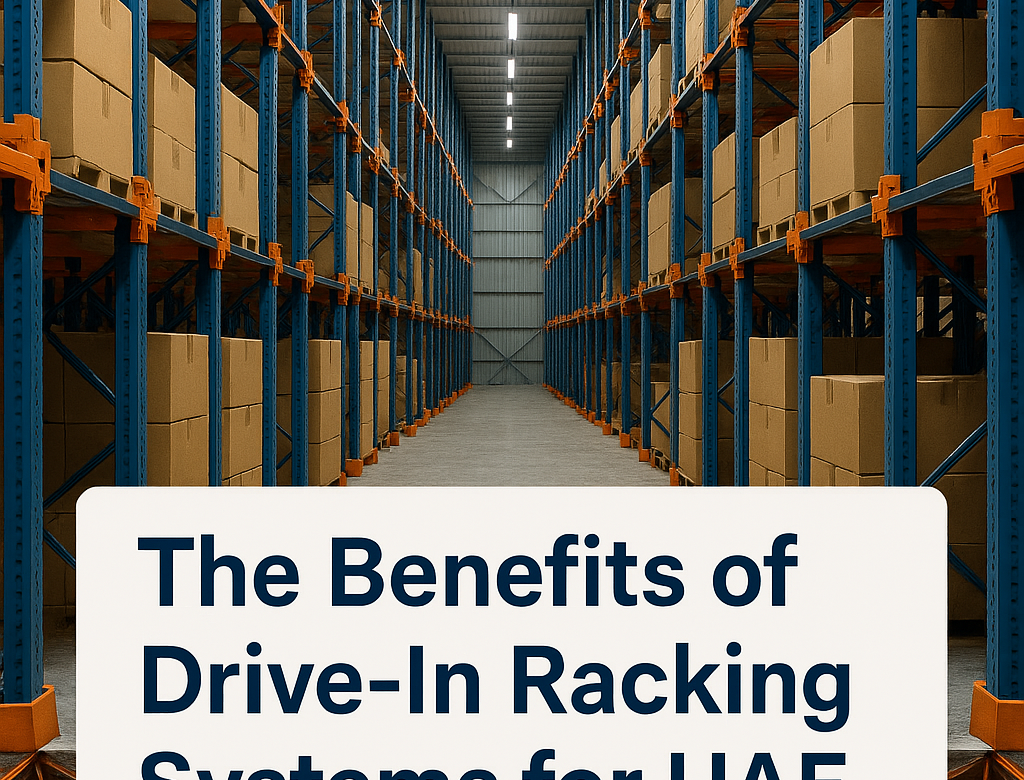
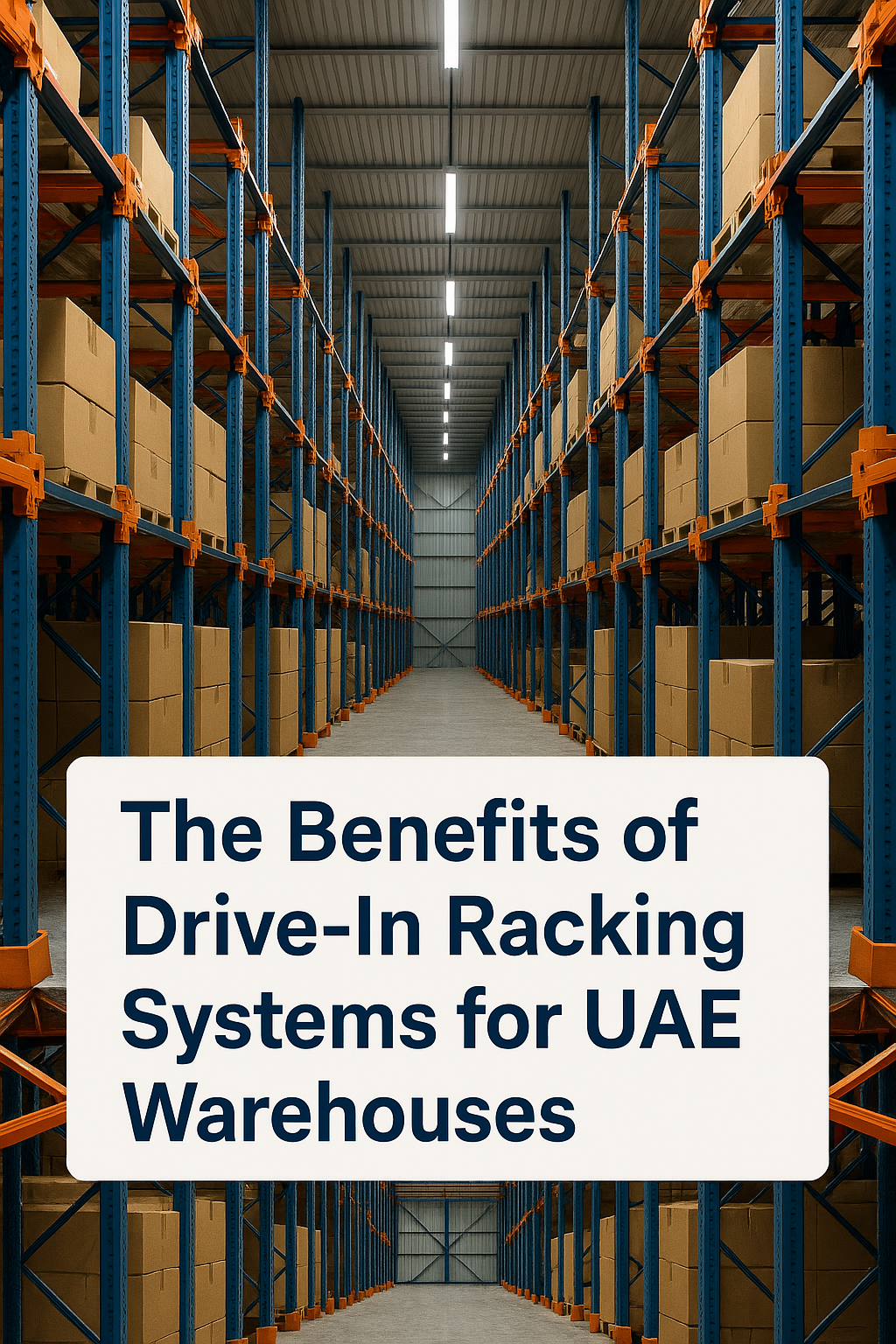
Another effective option is the drive-in racking system, which maximizes space and, at the same time, enhances accessibility. By allowing forklifts to enter the racking structure, businesses can store products in high-density aisles, utilizing vertical space and reducing the warehouse footprint. This system is particularly advantageous for bulk storage, where items are similar and can be efficiently stored together. The process of retrieving items is equally streamlined, with access available from either side, minimizing wait times and boosting productivity.
Implementing such racking systems not only improves organization but also creates a safer working environment. When items are systematically stored, the risk of accidents decreases, and employees can navigate warehouse spaces with greater confidence. Overall, the incorporation of racking systems significantly contributes to enhanced accessibility, allowing businesses to operate more efficiently and effectively in today’s competitive market.
Increased Safety Standards
In the fast-paced environment of warehouses and storage facilities in the UAE, racking systems play a critical role in enhancing overall safety standards. The design and structure of modern racking systems significantly reduce the risk of accidents and injuries, which can arise from improper storage practices or inadequate shelving solutions. By utilizing robust racking systems, businesses are better equipped to protect their workforce and ensure the safe handling of materials.
One of the primary safety benefits of racking systems is their ability to promote an organized workspace. By providing designated storage areas for various items, these systems minimize crowding and ensure that items are securely stacked. This organized approach reduces the likelihood of items falling or being improperly handled, which can lead to serious injuries. Moreover, racking systems are designed with specific load capacities in mind, ensuring that they can handle the weight of stored goods without compromising structure or safety.
Additionally, modern racking systems often come with enhanced safety features, such as safety barriers, labeling systems, and integrated inspection protocols. These features guide employees in safe practices, further mitigating the risk of workplace accidents. Regular maintenance and inspection of racking systems are vital best practices to ensure ongoing safety. By routinely checking for wear and tear, businesses can address potential issues before they lead to accidents. Training employees on proper usage and safety protocols is equally important, as it reinforces a culture of safety within the workplace.
Utilizing racking systems thus not only streamlines operations but also significantly bolsters safety standards. When organizations invest in high-quality racking solutions, they are simultaneously investing in the well-being of their employees, demonstrating a commitment to creating a safe working environment.
Cost Efficiency and Return on Investment
The utilization of racking systems presents significant cost efficiency and a promising return on investment (ROI) for businesses operating in the UAE. One of the foremost benefits of these systems is their capacity to enhance productivity. By optimizing storage space and enabling organized inventory management, racking systems facilitate quicker access to products and materials. This efficiency translates into reduced picking times, which ultimately boosts overall operational output. As businesses become more productive, they can handle larger volumes of work without proportionally increasing labor costs.
Moreover, racking systems are designed to support heavier loads while maximizing vertical space. This capability alleviates the need for excessive floor space, which can lead to substantial savings on rental costs in a market like the UAE where real estate can be expensive. By decreasing the necessity for larger storage spaces, businesses can redirect funds towards innovation or other pressing operational costs, enhancing their financial standing.
To accurately calculate the ROI from investing in racking systems, companies should first assess the total cost involved in purchasing and installing these systems. This includes not only the initial outlay but also any associated costs such as maintenance and operational training. Once these costs are established, businesses can evaluate the financial gains achieved through increased efficiency, reduced labor costs, and improved workflow. The formula for ROI can be expressed as: (Net Profit from Investment / Total Cost of Investment) × 100. This metric provides a clear picture of how the investment in racking systems is performing over time.
In summary, the strategic implementation of racking systems can lead to significant long-term cost savings for businesses in the UAE. By focusing on optimizing productivity and calculating potential ROI effectively, organizations can make informed decisions that enhance their operational efficiency and financial health.
Flexibility and Scalability of Racking Systems
Racking systems have become an integral part of contemporary warehousing and storage solutions, particularly in the dynamic market of the UAE. One of the primary advantages of these systems is their inherent flexibility, which allows businesses to tailor their storage solutions to specific industry requirements and operational needs. Racking systems are designed to accommodate a diverse range of products and materials, making them suitable for various sectors including retail, manufacturing, logistics, and distribution.
A key feature of modern racking systems is their modularity. This adaptability enables businesses to customize their layouts, sizes, and configurations in order to optimize space efficiency. Companies can select from a variety of options such as adjustable shelving, pallet racking, or cantilever systems, depending on the type of goods they handle. This level of customization ensures that storage solutions are not only effective but also align with the unique workflows of different industries.
As businesses grow and evolve, their storage demands often change. Racking systems are inherently scalable, which means they can expand or contract based on the volume of inventory. For instance, a company experiencing rapid growth can easily add additional shelving units or reinvest in larger racking configurations without the need for a complete overhaul of their existing storage infrastructure. This scalability is particularly beneficial for startups and SMEs in the UAE looking to maintain operational efficiency while adapting to market fluctuations.
Moreover, the flexibility of racking systems supports the implementation of new technologies and methods, such as automated storage and retrieval systems (AS/RS) or optimized picking solutions. By seamlessly integrating new technologies with existing racking structures, businesses can enhance productivity while also ensuring that their storage strategies remain aligned with best practices. Overall, the adaptability and scalability of racking systems make them a crucial investment for companies in the UAE aiming to optimize their storage capabilities as they navigate the complexities of growth and change.
Industry-Specific Applications
The implementation of racking systems in the United Arab Emirates spans across various sectors, significantly enhancing operational efficiency. Different industries including retail, manufacturing, and logistics have uniquely tailored racking solutions that cater to their specific requirements, thereby optimizing space utilization and improving workflow.
In the retail sector, for instance, businesses are increasingly adopting modular racking systems that allow for flexibility and adaptability. These systems can be easily adjusted to accommodate fluctuating inventory levels, ensuring that the display of goods is always appealing and accessible. For example, a prominent supermarket chain in the UAE integrated custom shelving units that adjust to accommodate seasonal products, resulting in a 30% increase in sales during promotional events. This adaptability not only maximizes product visibility but also enhances customer satisfaction.
In manufacturing, heavy-duty racking systems are paramount for effective storage of raw materials and finished goods. A notable case is a prominent manufacturer of construction materials that installed pallet racking systems designed to withstand the weight and bulkiness of their product range. This strategic deployment enabled the firm to reduce operational clutter and improve material flow, yielding significant reductions in handling times and costs. The high-density storage allowed the company to store more products in the same footprint, leading to enhanced productivity.
Logistics companies also report substantial advantages from deploying dynamic racking solutions. For example, a leading logistics provider embraced automated racking systems that facilitate high-speed retrieval and replenishment processes. These systems integrated seamlessly with their warehousing technology, allowing for real-time inventory management and accuracy in order fulfillment, significantly improving service delivery performance.
The adaptability and efficiency brought by sector-specific racking systems continue to reshape operational dynamics across industries in the UAE, promoting growth and sustainability in an increasingly competitive market.
Trends in Racking System Technologies
The warehouse and logistics sector in the UAE is witnessing significant technological advancements in racking systems, vital for enhancing operational efficiency and meeting the demands of modern supply chain management. One of the most notable trends is the incorporation of automated racking solutions. These systems utilize robotics and artificial intelligence to efficiently store and retrieve inventory, thereby minimizing human error and maximizing space utilization. Automated systems not only reduce labor costs but also improve safety by limiting manual handling of goods.
Another emerging trend is the integration of smart inventory management technologies into racking systems. Leveraging Internet of Things (IoT) devices and advanced analytics, these smart systems can provide real-time data on inventory levels and stock movements. This allows for more accurate forecasting and ensures that warehouses can respond swiftly to changes in demand. Such integration results in improved order accuracy and faster turnaround times, ultimately enhancing customer satisfaction.
Energy efficiency is also becoming a focal point in the design of racking systems. Innovations such as modular racking designs and the use of sustainable materials are not only environmentally friendly but also help reduce operational costs. These energy-efficient designs align with the broader UAE vision of sustainable development and contribute to reducing the carbon footprint of warehouse operations.
In summary, the evolution of racking systems is becoming increasingly influenced by automation, smart technology integration, and energy efficiency. As these trends continue to shape the landscape of warehouse operations in the UAE, companies that leverage such technologies will likely gain a competitive edge, promoting their ability to meet the ever-growing demands of the market.
Conclusion
In the rapidly evolving commercial landscape of the UAE, investing in racking systems emerges as a pivotal strategy to foster growth and efficiency. The benefits of implementing high-quality racking solutions are multifaceted, significantly impacting operational productivity, space utilization, and inventory management. These systems not only optimize warehouse space but also enhance accessibility and organization, thereby reducing the time and effort required for inventory handling.
The strategic use of racking systems can lead to improved workflows, which is essential in a competitive market where time is of the essence. By reducing congestion in storage areas, businesses can facilitate smoother operations, leading to quicker response times to market demands. Furthermore, these storage solutions can be tailored to accommodate various types of products, whether large or small, heavy or lightweight, making them versatile tools in any warehouse planning strategy.
Moreover, investing in advanced racking solutions can yield substantial long-term financial returns. By minimizing damage to goods through better organization and accessibility, companies can significantly reduce shrinkage and waste. Moreover, as the demand for space-efficient storage continues to rise alongside booming industries in the UAE, upgrading existing racking systems can be a proactive step in future-proofing business operations.
As we navigate a complex economic environment, it becomes increasingly important for businesses to evaluate their current storage solutions. Companies should consider the potential benefits that modern racking systems can bring, not only in enhancing operational efficiency but also in creating a robust framework for growth. By investing in quality racking systems today, businesses position themselves for greater success and adaptability in the years to come.
