
Different Types of Warehouse Racking Explained
Introduction to Warehouse Racking
Warehouse racking systems play a fundamental role in modern storage solutions, enabling businesses to maximize their available space while ensuring efficient warehouse management. These systems are designed to support and organize pallets of goods and materials, providing clear pathways for inventory retrieval and replenishment. The importance of implementing a well-structured racking system cannot be understated, as it directly impacts both the functionality and productivity of a warehouse.
One of the primary advantages of warehouse racking is its ability to leverage vertical space. Traditional storage methods often limit the use of height, which can result in underutilized areas within the warehouse. Racking systems, on the other hand, allow for vertical stacking of products, thereby increasing the storage capacity significantly. This not only helps in accommodating a larger inventory but also improves accessibility and decreases the time spent on locating and moving items.
In addition to maximizing space, warehouse racking systems contribute to enhanced operational efficiency. They facilitate better organization by offering designated locations for various types of inventories, enabling easier tracking and management. When goods are systematically stored, it reduces the risk of misplacement and inventory loss, leading to smoother operations. Moreover, the modular nature of many racking solutions allows businesses to adapt their storage methods according to changing needs or expansions.
Furthermore, effective racking systems can also improve safety within the warehouse environment. Properly installed and maintained racking ensures that heavy loads are secure and stable, minimizing the risk of accidents related to collapsing or tipping shelves. As a result, investing in appropriate warehouse racking not only optimizes storage but also promotes a safer working environment for employees. Overall, the implementation of a strategic racking solution is imperative for any warehouse striving for efficiency and productivity.
Selective Pallet Racking
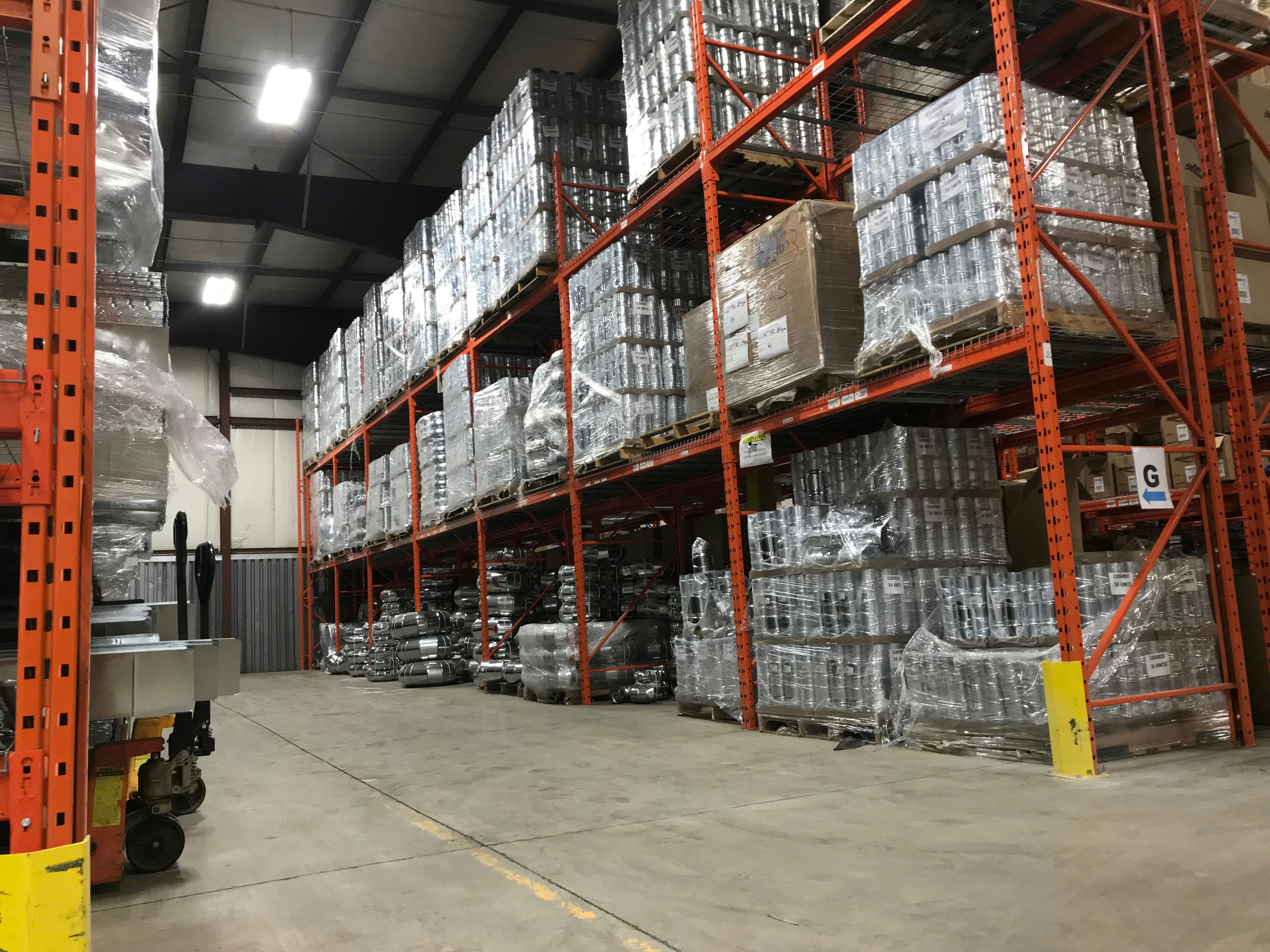
Selective pallet racking is one of the most prevalent warehouse racking systems utilized in modern storage facilities. Characterized by its straightforward design, selective racking allows for direct access to every pallet stored, making it an optimal solution for warehouses that handle a wide variety of products. This system typically consists of upright frames made from steel, paired with cross beams that create horizontal levels for pallet placement. The fundamental benefit of this configuration is its capacity to store pallets in a manner that promotes ease of retrieval.
One of the primary advantages of selective pallet racking is its compatibility with a diverse range of products. Whether the inventory consists of bulk items, high-turnover goods, or seasonal stock, this type of racking accommodates various sizes and weights. It is especially beneficial for operations that require quick and efficient access to individual items, as forklift operators can easily navigate and retrieve pallets from multiple aisles. Furthermore, the layout of selective racking systems can be adapted based on warehouse space, ensuring optimal utilization of available square footage while enhancing operational efficiency.
However, it is essential to consider the limitations of selective pallet racking. One drawback is that it may not maximize space as effectively as high-density storage alternatives, such as drive-in or push-back racking systems. This is particularly pertinent for warehouses with a large volume of pallets needing storage. Additionally, while selective pallet racking facilitates easy access, it may not support a more complex inventory system requiring batch storage or a first-in-first-out method without incorporating additional racking solutions.
In summary, selective pallet racking represents a fundamental aspect of warehouse operations, offering flexibility and accessibility for various products. Its design and utility make it a versatile choice across industries, although careful consideration of its limitations is important when designing an efficient warehouse layout.
Drive-In and Drive-Through Racking
Drive-in and drive-through racking systems are innovative solutions designed to optimize warehouse storage space by allowing forklifts to access inventory directly from within the rack structure. These systems are particularly advantageous for businesses aiming to maximize storage density, as they enable vertical stacking of pallets in a compact configuration. While they share similarities, important differences distinguish drive-in racking from drive-through racking.
Drive-in racking systems are designed for “last in, first out” (LIFO) inventory management. The configuration permits forklifts to enter the racking system from one side, allowing for excellent storage capacity. However, once pallets are placed in the back of the rack, retrieval requires the removal of the front pallets first. This makes drive-in racking ideal for storing homogeneous products with a limited variety, such as bulk goods or seasonal items, where inventory turnover is not a primary concern.
On the other hand, drive-through racking allows forklifts to access inventory from both ends of the rack, offering more flexibility in inventory management. This system supports “first in, first out” (FIFO) practices, making it suitable for perishable goods or items with expiration dates, where freshness is crucial. By allowing access from either side, drive-through racking enhances operational efficiency, reducing wait times and improving overall workflow.
Choosing the appropriate racking system depends on various factors including inventory type, turnover rate, and space constraints. Drive-in racking is favored for maximizing storage capacity of non-perishable items, while drive-through racking is preferred in environments where fast-moving or time-sensitive products are stored. Evaluating these factors is essential for businesses aiming to implement effective warehouse solutions that align with their operational needs.
Push Back Racking
Push back racking is an innovative storage solution designed to maximize space and enhance efficiency within warehouse environments. This system utilizes a series of carts or pallets that are positioned on inclined tracks, allowing for items to be stored in a compact yet accessible manner. By pushing back the first pallet to access those behind it, warehouses can achieve a high-density configuration without sacrificing accessibility. This mechanism not only enhances storage capacity but also optimizes the picking process, enabling swift access to frequently requested items.
One of the main advantages of push back racking is its ability to facilitate first-in, last-out (FILO) inventory management. This is particularly beneficial for companies that deal with perishable goods or products that have a limited shelf life, as it ensures that older stock is utilized before newer stock. Moreover, the push back system allows the storage of various product sizes and weight classes, making it an adaptable choice for diverse inventory types. As a result, businesses can tailor their racking strategies to meet specific operational requirements and optimize space utilization.
In addition to improving storage density, push back racking significantly reduces the time and labor associated with order fulfillment. Warehouses implementing this system often experience decreased travel times for staff members, as items are easily accessed. However, while the push back racking system provides numerous benefits, it is essential to consider its suitability for specific warehouse layouts and inventory dynamics. Ideal scenarios for push back racking include facilities that require quick access to a wide variety of products or those that have frequent stock turnover. When planned correctly, push back racking can greatly enhance both operational efficiency and accessibility in a warehouse setting.
Flow Racking
Flow racking systems are designed to optimize the storage and retrieval of products using gravity to facilitate the movement of pallets. This innovative solution aligns with the FIFO (First In, First Out) inventory management method, ensuring that the oldest stock is accessed first. In a typical flow rack, pallets are loaded from the back and then glide down a sloped track to the front, allowing for efficient handling and minimal manual effort during the picking process.
One of the primary advantages of flow racking is its effectiveness in managing perishable goods. For industries such as food and pharmaceuticals, where product freshness is critical, the FIFO principle helps reduce waste by ensuring that items closer to their expiration date are picked before newer stock. This is particularly beneficial in environments where inventory turnover is high, as it allows organizations to maintain optimal stock levels without sacrificing quality.
Additionally, flow racks can significantly enhance order-picking efficiency. The design promotes easy access to products, reducing the time spent searching for items. As workers can quickly retrieve pallets from the front, the overall speed of operations increases, leading to improved productivity in warehouse settings. The systematic organization provided by these racking systems allows for better inventory control and accuracy, ultimately benefiting a business’s bottom line.
In conclusion, flow racking systems represent a strategic choice for warehouses that prioritize efficiency and product management. By leveraging gravity and the FIFO method, these racks optimize the handling of perishable goods while streamlining the order-picking process. As such, they play a crucial role in modern warehouse operations, contributing to both operational efficiency and effective inventory management.
Cantilever Racking
Cantilever racking systems are specifically engineered for the effective storage of long, bulky, or irregularly shaped items. Constructed with vertical columns and horizontal arms that extend outwards, this type of racking is ideal for items such as lumber, pipes, and furniture. The design allows for unobstructed access to the stored goods, facilitating easier loading and unloading, which is a significant advantage compared to traditional shelving systems that might restrict access to items due to depth or width constraints.
One of the key benefits of cantilever racks is their ability to accommodate products of varying lengths without the need for adjustments or modifications to the structure. The arms can be positioned at different heights to maximize space and utilize the full vertical area of the warehouse. This flexibility makes cantilever racking particularly advantageous in industries such as construction, manufacturing, and retail, where the dimensions of products can differ considerably.
Another remarkable feature of cantilever racks is their sturdy construction, which typically utilizes steel as the primary material. This provides excellent strength and durability, allowing the racking system to support significant weights. Moreover, cantilever racks are available in both light and heavy-duty configurations, enabling businesses to select a system that aligns with their specific storage needs.
In terms of applications, cantilever racks are widely used in warehouses, lumber yards, and furniture stores, where items need to be stored vertically and accessed frequently. The design not only enhances the organization of inventory but also improves overall warehouse efficiency by reducing the time spent searching for products. Overall, cantilever racking systems present a highly effective and versatile solution for the storage of long and bulky items, catering to diverse industry requirements.
Multi-Tier Racking Systems
Multi-tier racking systems represent an innovative solution for warehouses aiming to maximize their storage capacity while utilizing vertical space efficiently. These systems consist of multiple levels or tiers of shelving, providing organizations the ability to store a wider range of products without requiring additional floor space. The design of multi-tier racks can vary significantly based on the specific requirements of the warehouse, including the types of products being stored, accessibility needs, and the overall layout of the facility.
One of the key benefits of multi-tier racking systems is their ability to enhance storage density. By building upwards rather than outwards, warehouses can significantly increase the number of items stored within a given footprint, effectively doubling or tripling capacity without necessitating a larger warehouse. This is particularly beneficial for businesses with a high turnover of inventory, as it allows them to maintain an organized space without overcrowding floor areas. Moreover, the increased vertical space can be equipped with additional features like conveyance systems, further improving efficiency.
When designing a multi-tier racking system, it’s essential to consider factors such as weight capacities, safety standards, and the method of accessing products. Different product types may require tailored solutions—lightweight items can be stored on lighter shelving, while heavier goods necessitate more robust systems. Additionally, accessibility must be factored into the design. For instance, some warehouses may benefit from dedicated picking aisles, reducing the time required for inventory retrieval.
In various scenarios, multi-tier racking has proven advantageous, from garment storage in fashion warehouses to parts storage in manufacturing facilities. Utilizing such systems allows for greater organization and efficiency, accommodating diverse product ranges while ensuring safety and ease of access. Understanding and implementing multi-tier racking systems can be a transformative step for warehouses seeking to enhance operational performance.
Mobile Racking Systems
Mobile racking systems represent an innovative solution for maximizing storage capacity in warehouses. These systems consist of racking units mounted on mobile bases, allowing them to be moved laterally on tracks. This design significantly reduces the amount of aisle space needed compared to traditional fixed racking systems, thereby enabling warehouses to utilize vertical space to its fullest potential.
One of the primary advantages of mobile racking systems is their ability to optimize space. In warehouses where every square foot counts, the reduced need for aisles allows for more accurate inventory management and storage solutions. Rows of racking can be compacted together, with motion only required when access to certain items is needed. This enhances storage density, accommodating a larger volume of inventory within the same footprint.
Moreover, the accessibility provided by mobile racking systems plays a crucial role in improving operational efficiency. When a particular item is needed, the system can be activated to create the necessary aisle, allowing quick access. This not only speeds up the picking process but also reduces the time spent navigating through aisles, which can be particularly beneficial during peak operational times.
In addition to space optimization and increased efficiency, the mobile racking system offers flexibility in warehouse operations. This adaptability allows businesses to alter the layout as inventory needs change, ensuring that storage solutions can evolve in tandem with the growth of the business. Companies can easily reconfigure their setups without the need for extensive remodeling or investment in new equipment.
In conclusion, mobile racking systems stand out as a pragmatic solution for modern warehouses seeking to enhance their storage capabilities. By combining space optimization, improved accessibility, and operational flexibility, these systems are well-suited for diverse inventory needs and promote a more efficient workflow.
Choosing the Right Warehouse Racking for Your Needs
Selecting the appropriate warehouse racking system is a critical decision that can significantly influence productivity and operational efficiency. Various factors must be considered, including the types of products being stored, available space, and overall operational requirements. Each of these elements plays a pivotal role in determining the most suitable racking solution.
Firstly, it is essential to assess the type of inventory that will be stored. Different products may require specific storage solutions; for instance, bulky items may benefit from selective racking, while small, high-demand goods could be more efficiently stored using dynamic or flow rack systems. Understanding the nature of your inventory can streamline not only storage but also retrieval processes, improving overall throughput.
Space constraints within your warehouse must also be evaluated. Maximizing vertical space is often crucial, particularly in facilities with limited floor space. High-density racking systems, such as pallet flow or push-back racks, can optimize storage capacity without necessitating a larger footprint. Therefore, inventory turnover rates and the necessity for frequent access should guide your decisions on the height and depth of the racking systems.
Operational requirements further influence the selection of racking. Consideration should be given to the frequency of stock rotation, picking methods, and staff efficiency. For instance, if quick access to a wide variety of products is paramount, mobile racking systems may be an ideal solution. Additionally, safety and compliance regulations must be adhered to when choosing racking systems, ensuring that all installations meet industry standards.
In conclusion, making an informed choice regarding warehouse racking involves a comprehensive evaluation of product types, spatial limitations, and operational demands. By carefully contemplating these factors, businesses can select a racking solution that aligns effectively with their overall warehousing strategy, resulting in enhanced efficiency and productivity.
