

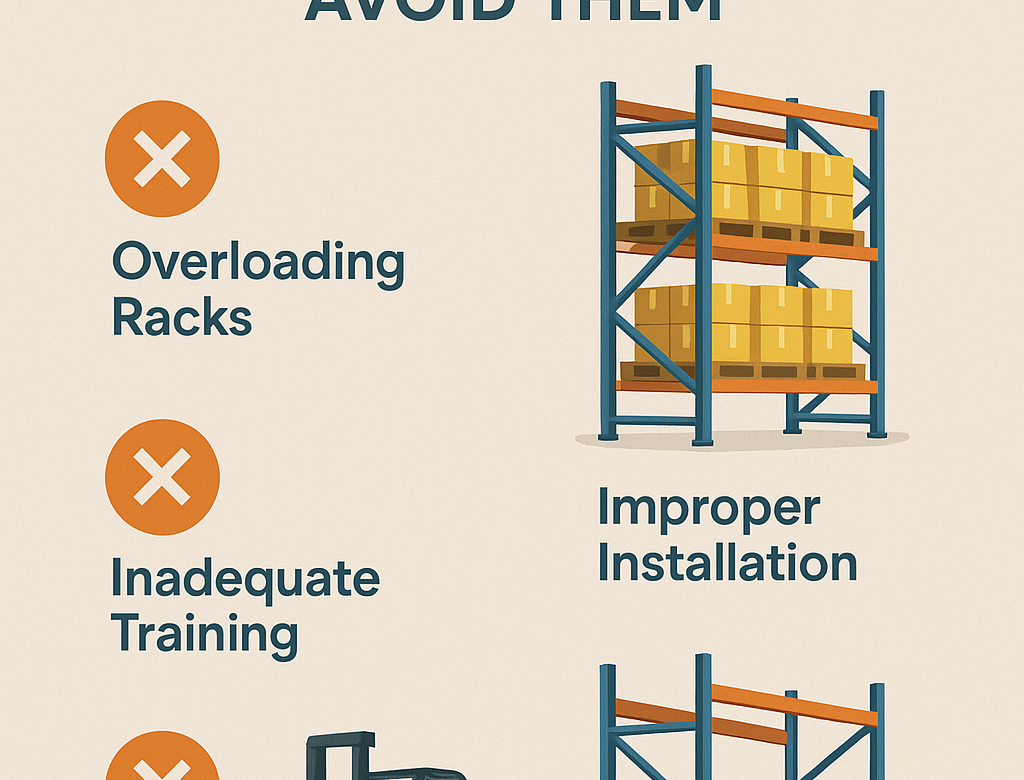
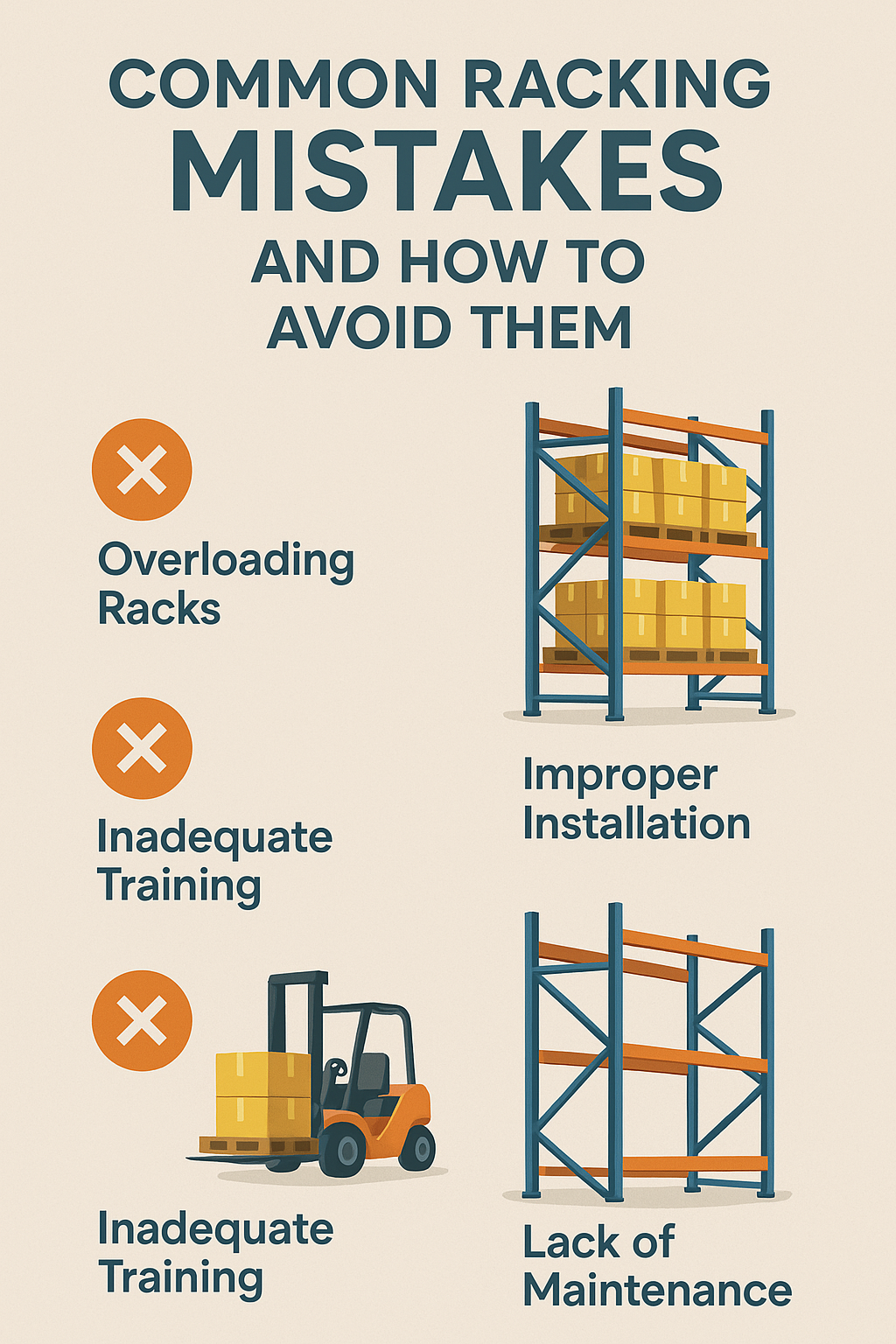
Common Racking Mistakes and How to Avoid Them
Introduction to Racking Systems
Racking systems serve as a fundamental component in the effective organization and management of storage space within warehouses. These systems are designed to maximize available space, facilitate easy access to goods, and optimize the overall efficiency of inventory handling processes. Properly implemented racking systems can significantly enhance operational productivity by allowing for systematic arrangement and retrieval of products.
There are several types of racking systems tailored to specific storage needs, each with its unique features and benefits. Selective racking, for instance, is one of the most common solutions, offering straightforward access to all pallets. This system consists of vertical frames and horizontal beams, allowing for flexibility in configuration based on the size and quantity of goods stored. It is particularly beneficial for warehouses with a wide variety of products, as it enables easy inventory management.
Another popular type is the drive-in racking system, which maximizes storage density by allowing forklifts to enter the racking structure to retrieve pallets. This system is ideal for high-density storage of homogeneous products, as it utilizes the space more efficiently than selective racking; however, it necessitates a more careful approach to inventory management due to its last-in-first-out (LIFO) nature.
Pallet flow racking systems further enhance storage efficiency by utilizing gravity-fed lanes to allow pallets to flow from the back to the front of the racking system. This type of system ensures that the first pallet placed on the rack is the first one to be picked, catering to organizations that prioritize a first-in-first-out (FIFO) inventory strategy.
Understanding these various racking systems is crucial, particularly as it lays the groundwork for recognizing common mistakes that can lead to inefficiencies or safety hazards within storage environments. By familiarizing themselves with the options available, businesses can make informed decisions that optimize their warehousing processes.
Understanding the Importance of Proper Racking Installation
Proper installation of racking systems is crucial for ensuring a safe and efficient workspace. Racking systems are designed to store a variety of products and materials, and when installed correctly, they contribute significantly to operational efficiency and safety. Conversely, incorrect installation can lead to numerous problems, including safety hazards, product damage, and inefficient use of space.
When racking is not installed according to the manufacturer’s guidelines, the risk of structural failure increases. This can result in serious accidents, such as collapses that could injure workers or damage stored items. Additionally, improper alignment can create uneven weight distribution, which may further compromise the stability of the entire system. Furthermore, safety regulations must be adhered to, as non-compliance can attract legal consequences and fines, compromising the business’s integrity.
Moreover, racking systems that are installed incorrectly can contribute to product damage. For instance, poorly secured items may fall or become dislodged, leading to product loss and increased replacement costs. Effective installation ensures that each component is secure and that the overall configuration is suitable for the anticipated weight and load standards.
Another critical factor to consider is that proper installation can maximize storage space. When racking is strategically erected in accordance with operation requirements and warehouse layout, it allows for better use of vertical and horizontal space. Failure to do so often results in wasted storage capacity, forcing businesses to seek additional space or restructure their inventory management strategies.
In essence, adherence to manufacturer guidelines and local regulations when installing racking systems is not just a best practice; it is vital for creating a safe, efficient, and effective storage environment. By prioritizing proper installation, businesses can protect their employees, maintain product integrity, and optimize their available space.
Common Mistakes in Racking Layout Planning
Effective racking layout planning is crucial for maximizing storage space and ensuring operational efficiency. However, several common mistakes can hinder these objectives. One prevalent error is inadequate space allocation, where insufficient room is provided for accessing inventory, which can lead to difficulty retrieving items and increased risk of accidents. It is essential to account for the dimensions of both the storage racks and the products being stored, including height and width, to avoid congested areas that can inhibit productivity.
Another frequent mistake involves ignoring the flow of goods. A well-designed racking system should facilitate the smooth movement of items within the warehouse. If the layout does not consider the natural workflow, employees may be forced to navigate awkward paths, resulting in inefficiencies and potential accidents. To address this, a thorough assessment of how inventory is received, stored, and picked is necessary before finalizing the racking configuration. This ensures that pathways are clear and that frequently accessed items are easily reachable.
Moreover, misjudging load capacities can lead to significant issues in a racking system. Each racking type has specific weight limits, and exceeding these can result in structural failure and pose safety hazards. It is imperative to verify the load-bearing capacities of the racks and select the appropriate type based on the planned inventory weights. Regular inspections and maintenance of the racking system can further safeguard against potential damage and operational disruptions.
To create an effective layout, collaborating with warehouse design experts and utilizing warehouse management software may facilitate informed decision-making. By avoiding these common mistakes in racking layout planning, facilities can enhance productivity, ensure safety, and optimize storage effectiveness.
Neglecting Regular Maintenance and Inspections
Regular maintenance and inspections of racking systems are vital components to ensuring safety, functionality, and the longevity of storage solutions. Neglecting these actions can lead to serious ramifications, such as structural failure, costly repairs, and, most importantly, potential injuries to employees. Racking systems, by design, bear significant loads and operate in dynamic environments; thus, the integrity of their structure is paramount. Failure to properly maintain these systems can result in catastrophic accidents, impacting not only the equipment but also the workforce.
When racking systems are not routinely inspected, minor issues can escalate into major safety hazards. For example, cracks or corrosion might go unnoticed, ultimately compromising the overall stability of the racks. Additionally, items placed incorrectly or overloaded on shelves can exert undue stress on the system, leading to catastrophic collapses. Such incidents can cause injuries ranging from minor bruises to severe harm and even fatalities, highlighting the urgent need for regular inspections.
To mitigate these risks, maintaining a comprehensive checklist for racking system inspections is recommended. The following items should be evaluated during these inspections:
- Structural integrity: Check for any signs of visible damage, such as bends, cracks, or corrosion.
- Leveling: Ensure racking systems are properly leveled to maintain balance and prevent tipping.
- Load capacity: Verify that the weight of stored items does not exceed the specified load limits for the racks.
- Bracing and connections: Inspect all bolts, nuts, and connectors for tightness and stability.
- Floor conditions: Assess the condition of the flooring where the racks are installed, ensuring there are no tripping hazards.
By prioritizing regular maintenance and inspections, organizations can greatly reduce the likelihood of accidents, extend the life of the racking systems, and foster a safer working environment for all employees.
Inadequate Training for Warehouse Staff
Effective training of warehouse staff is paramount for the optimal handling and use of racking systems. It is essential that employees are well-versed in the functions and nuances of the racking systems they interact with. Inadequate training can lead to a range of issues, including injuries, equipment damage, and inefficient workflows, which ultimately hinder the overall productivity of the warehouse operations.
Common training gaps that staff often face include a lack of knowledge regarding proper lifting techniques, ineffective equipment operation, and insufficient understanding of emergency procedures. Improper lifting techniques can result in both short-term injuries and chronic problems, such as musculoskeletal disorders. Regular, comprehensive training focused on ergonomic lifting principles is vital in minimizing these risks. Additionally, personnel must be equipped with the knowledge to operate racking systems safely, understanding weight limits and the correct use of forklifts or pallet jacks.
The implementation of effective training programs can significantly enhance warehouse safety and efficiency. It is advisable to establish a structured onboarding process for new hires that covers all critical aspects of warehouse operations. Regular refresher courses should also be scheduled to ensure that current employees remain knowledgeable about any updates or changes in procedures. Utilizing hands-on training sessions enables employees to gain practical experience in a controlled environment, thereby reinforcing safe practices.
Moreover, developing a culture of safety within the warehouse is imperative. This can be achieved by encouraging open communication about safety concerns and recognizing staff who consistently adhere to best practices. Documenting and reviewing incidents to identify training needs can also provide insight into areas requiring additional focus.
In essence, investing in thorough training for warehouse staff not only protects employees but also enhances productivity and safety within the racking systems.
Ignoring Load Capacity Limits
In various storage and warehousing environments, understanding and adhering to load capacity limits for different racking types is of paramount importance. Each type of racking system is engineered with a specific load-bearing capacity that must not be overlooked. When businesses ignore these limits, they risk not only damaging their inventory but also endangering the safety of personnel and causing costly structural failures.
One of the most common mistakes in racking management is the tendency to overload storage systems. Overloading can happen quite easily, especially when inventory levels fluctuate or during peak seasons. Employees may inadvertently place heavier items on racks that are not designed to support them, leading to a violation of the established load capacity. This oversight can have severe consequences, including the potential for racking collapse, which poses immediate risks to worker safety and could result in significant financial liabilities for a company.
Furthermore, load capacity limits vary among different types of racking systems, such as selective racks, drive-in racks, and pallet flow racks. Each system requires a distinct approach to monitoring and managing weight distributions based on the materials stored and the intended usage. For instance, a selective rack typically accommodates various load types but may not be suitable for heavier industrial components. As such, it is crucial for organizations to educate their staff on the specifics of each racking system they utilize.
To prevent these mistakes, businesses should implement diligent tracking of load capacities, integrating this knowledge into their inventory management practices. Regular audits of racking systems can ensure adherence to load capacity guidelines while helping identify potential weaknesses or necessary adjustments in load distribution. Recognizing the importance of adhering to load limits will not only preserve the integrity of the racking system but also enhance overall operational efficiency and safety within the workplace.
Failure to Utilize Proper Safety Equipment
One of the most critical racking mistakes observed in warehouses and storage facilities is the failure to utilize appropriate safety equipment when accessing racking systems. This oversight not only compromises the safety of employees but can also lead to significant operational disruptions and financial repercussions due to injuries. To maintain a safe working environment, it is vital to ensure that employees are equipped with the right safety gear.
Among the essential safety equipment are safety helmets, which protect workers from head injuries caused by falling objects. These helmets should meet industry standards and be properly fitted to ensure maximum protection. Additionally, gloves are necessary for hand protection, particularly when handling sharp objects or heavy materials. Workers should select gloves that are appropriately rated for the tasks they are undertaking, ensuring they possess both grip and dexterity.
Another crucial piece of safety equipment is harnesses, particularly when working at elevated heights. Harnesses help prevent falls and can be lifesaving when combined with secure anchoring points. Employees must be trained in proper harness usage, including how to secure themselves and recognize potential hazards. It is also important to routinely check that all safety equipment is well-maintained and free from defects, as worn-out gear may not provide the necessary protection.
Establishing a culture of safety in the workplace is paramount. This can be achieved by providing comprehensive training and unwavering support for employees to utilize safety equipment consistently. Regular safety audits and promoting an open dialogue about safety concerns can further foster this culture. By prioritizing the use of proper safety equipment when accessing racking systems, businesses can effectively mitigate risks and enhance overall workplace safety.
Overlooking the Importance of Signage and Labeling
In racking systems, clear signage and labeling play a crucial role in maintaining operational efficiency and ensuring safety. Properly implemented signage can help workers quickly identify where items are stored, thereby minimizing the risk of confusion and errors during picking and stocking processes. Conversely, inadequate signage can lead to significant mistakes that might not only disrupt warehouse operations but also potentially result in accidents.
One of the primary reasons for the oversight of signage in warehousing is the assumption that workers will instinctively remember the layout or locations of various products. However, this reliance on memory can be detrimental, especially in environments where staff may change frequently or when new inventory is introduced. Therefore, implementing a clear labeling system is vital for guiding employees and facilitating smooth workflows.
To effectively enhance clarity and communication within a warehouse, consider the following tips regarding signage and labeling:
- Use Large, Legible Fonts: Ensure that signage is easy to read from a distance. A larger font size, coupled with high-contrast colors, helps improve visibility.
- Provide Clear Directions: Signage should include straightforward language and visual aids, such as arrows or diagrams, to guide workers accurately through the facility.
- Consistent Labeling: Utilize a uniform labeling system across the warehouse. Consistency reduces the chances of misinterpretation and leads to a more intuitive navigation experience.
- Regular Updates: As inventory and layouts change, it is essential to update signs and labels immediately to reflect these modifications. This practice prevents outdated information from causing confusion.
- Incorporate Color Coding: Implement a color-coding system for different categories of products or areas in the warehouse. This visual cue assists in quicker identification and minimizes errors.
By acknowledging and addressing the importance of signage and labeling in racking systems, warehouses can prevent detrimental mistakes and improve overall operational safety and efficiency. Investing time and resources into effective signage will yield significant long-term benefits.
Conclusion and Best Practices for Avoiding Racking Mistakes
In conclusion, addressing common racking mistakes is vital to enhancing operational efficiency and safety within a warehouse environment. Throughout this blog post, we have identified several prevalent errors, including improper installation, inadequate maintenance, lack of training, and overlooking safety measures. By recognizing these pitfalls, warehouse managers can take proactive steps to mitigate risks and optimize their racking systems.
To effectively prevent racking mistakes, it is essential to prioritize best practices during the installation phase. This includes ensuring that the racking system is installed by qualified professionals who adhere to the manufacturer’s specifications and local regulations. Additionally, using high-quality materials specifically designed for the intended load capacities will significantly reduce the risk of structural failures.
Regular maintenance is another critical aspect of racking management. Conducting routine inspections helps identify potential issues such as bent beams, loose connections, or corrosion. A scheduled maintenance program ensures that any problems are addressed promptly, which can enhance the lifespan of the racking system and ensure continued safety for personnel.
Training personnel on proper racking techniques is equally important. Employees should be educated on safe loading practices and proper equipment usage. Regular training sessions can reinforce safety protocols and minimize the likelihood of accidents caused by human error. Furthermore, fostering a safety-first culture within the workplace encourages team members to report any hazards or concerns related to the racking system.
Lastly, implementing safety measures such as proper signage, physical barriers, and safety gear will contribute to a safer working environment. By adhering to these best practices, warehouse managers can significantly reduce the likelihood of racking mistakes, ensuring both operational efficiency and the safety of employees.
