
How to Optimize Vertical Space in Small Warehouses
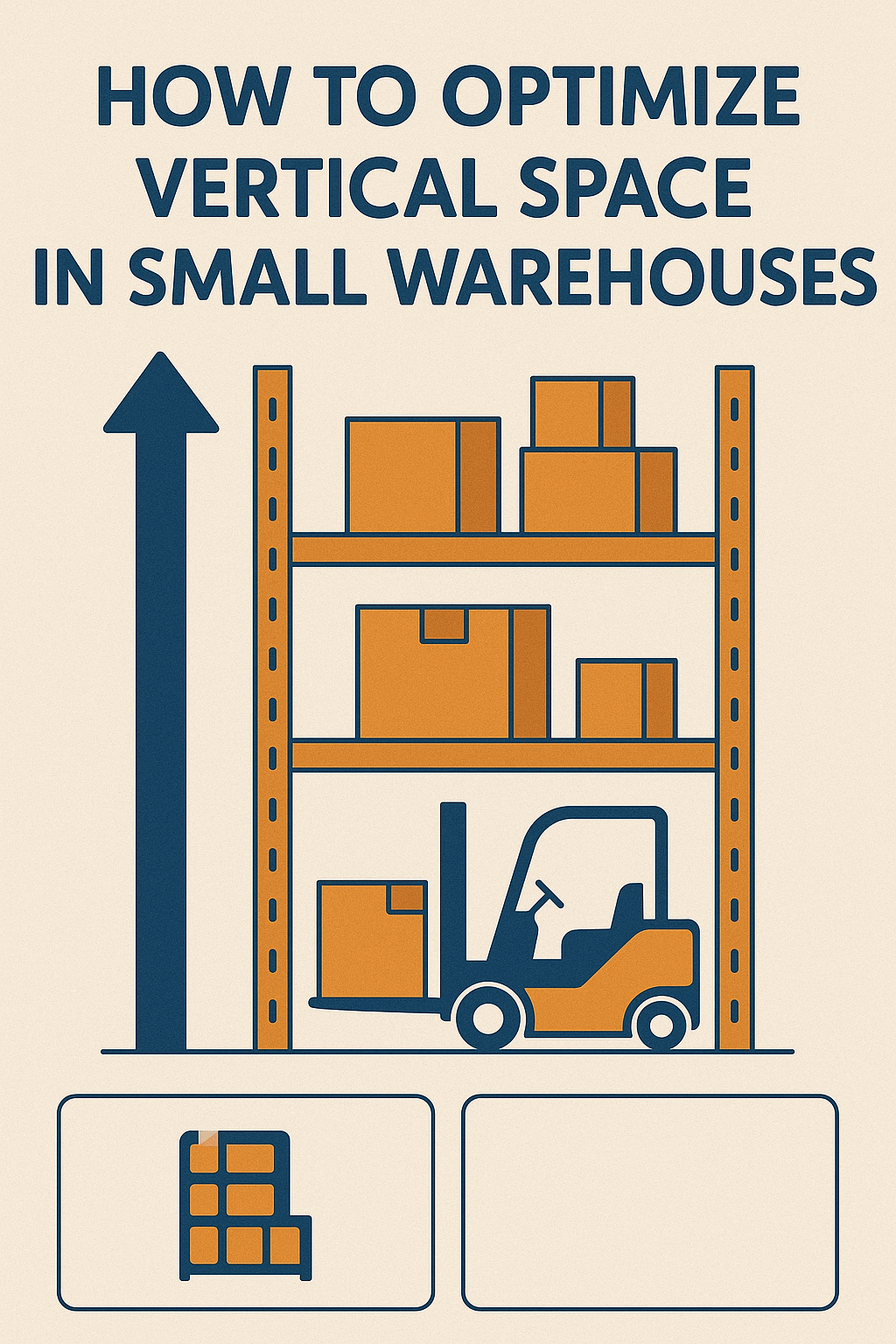
When square footage is limited but inventory demands continue to grow, the solution lies not in expanding outward — but upward. Optimizing vertical space in small warehouses is not just a storage hack; it’s a strategic move that boosts operational efficiency, improves safety, and helps businesses maximize ROI on every inch of real estate.
Let’s explore the smartest ways to make the most of your warehouse’s height and unlock the full potential of your vertical space.
Why Vertical Optimization Matters
Most small warehouses focus heavily on floor layout, often leaving vast volumes of unused vertical space. However, vertical optimization can:
- Increase storage capacity without the need for relocation.
- Improve inventory organization.
- Reduce clutter and streamline workflows.
- Support safe and ergonomic picking systems.
If you’re not leveraging your warehouse’s height, you’re leaving money on the table — literally.
1. Install High-Density Racking Systems
The first step toward vertical optimization is investing in high-density racking. These systems — such as selective pallet racking, drive-in/drive-through racks, and narrow aisle racking — allow you to stack inventory higher and in tighter configurations.
💡 Pro Tip: Use adjustable racks so you can modify shelf heights as your storage needs change.
2. Mezzanine Floors: Double the Usable Space
Mezzanines are elevated platforms built between the floor and ceiling of a warehouse. They effectively create a second level, ideal for:
- Additional storage
- Packing and assembly areas
- Office space
Modern mezzanine systems are modular and can be relocated or expanded as your operations grow.
3. Use Vertical Lift Modules (VLMs)
For businesses handling small parts or high-value SKUs, Vertical Lift Modules are game changers. These automated systems store inventory vertically and bring items directly to the picker at ground level, significantly reducing floor congestion.
✅ Benefits: Improved accuracy, enhanced security, and up to 90% space savings.
4. Stack Smart with Containers and Pallets
Poor stacking strategies waste a surprising amount of vertical space. Optimize with:
- Stackable bins and nestable containers for small goods.
- Pallet collars to add vertical height safely.
- Load-bearing pallets to ensure weight is evenly distributed.
Also, keep lighter and less-accessed items higher up to reduce risk and fatigue.
5. Add Overhead Storage and Wall-Mounted Systems
Don’t forget to leverage unused wall and ceiling space:
- Wall-mounted shelving for tools, supplies, and documents.
- Overhead tracks or hoists for awkward or heavy items.
- Hanging racks for cables, hoses, or coiled items.
These solutions are ideal for small warehouses lacking traditional square footage.
6. Upgrade to Vertical-Friendly Equipment
Ensure that your equipment can support your vertical strategy:
- Order pickers and reach trucks for accessing high shelves.
- Rolling ladders with platforms for safer access.
- Barcode scanners with long-range capability.
Even the best vertical system is useless without the right tools to support safe and efficient access.
7. Safety First: Don’t Skimp on Compliance
With great height comes great responsibility. To avoid accidents:
- Always secure racks to the floor and install anti-collapse mesh.
- Train staff on working at heights.
- Follow OSHA and local fire code guidelines for maximum rack height and clearances.
Proper planning and training are just as important as physical systems.
FAQs
1. What’s the best way to start vertical optimization in a small warehouse?
Begin with a space audit to identify underutilized vertical zones, followed by planning for racking or mezzanine installations.
2. Are mezzanines expensive?
While an investment upfront, mezzanines often cost less than relocating or expanding your warehouse footprint.
3. How high can I stack items safely?
That depends on local building codes, load-bearing capacities, and product type. RMI and OSHA guidelines are good starting points.
4. Can vertical optimization work in older buildings?
Yes, but you’ll need to assess ceiling heights, structural integrity, and compliance with safety regulations.
5. Is automation necessary for vertical optimization?
Not always — manual systems work well too. However, automation can significantly enhance speed, safety, and scalability.
Conclusion
Maximizing vertical space isn’t just for big-box warehouses with towering ceilings. With the right systems, tools, and safety protocols, even the smallest facilities can scale their operations — literally. In today’s competitive landscape, strategic use of space is the silent advantage that keeps your warehouse lean, efficient, and future-ready.
