
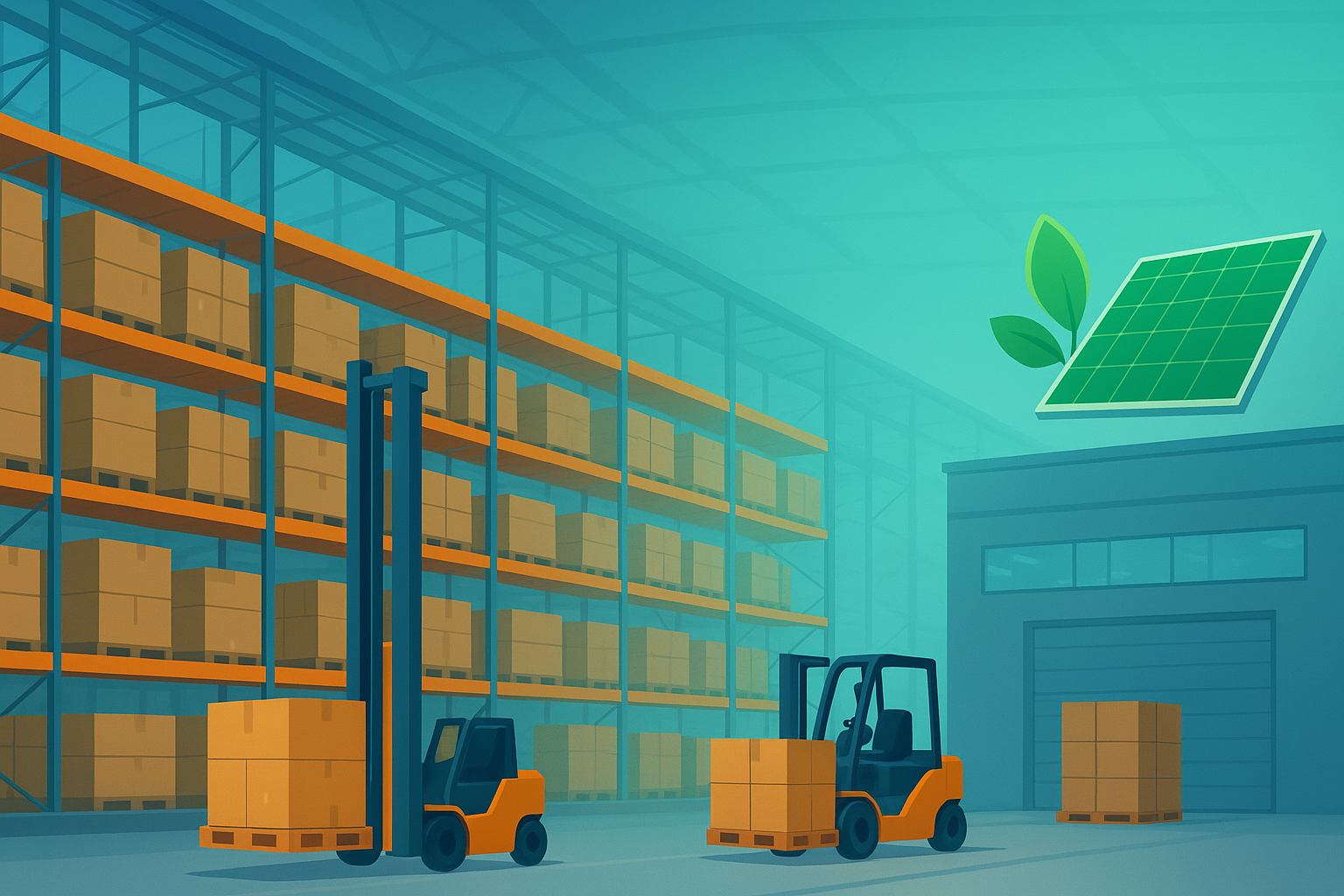
Warehouses across the UAE are transforming rapidly to meet the growing demand for efficiency, sustainability, and cost reduction. As logistics hubs in Dubai, Abu Dhabi, and Sharjah expand, automated racking systems are becoming the backbone of modern warehousing. But the spotlight is no longer just on speed and storage capacity it’s also about cutting energy costs and creating sustainable operations.
In this article, we explore how energy saving racks in UAE warehouses are reshaping supply chain operations by reducing energy consumption, lowering operational costs, and supporting green initiatives. From intelligent warehouse automation to optimized cold storage racks, UAE businesses are leveraging cutting-edge racking solutions to align with both profitability and sustainability.
Why Energy Efficiency Matters in UAE Warehouses
- High Energy Costs in the Region – With the UAE’s climate requiring significant cooling, warehouses—especially those handling perishable goods face soaring electricity bills.
- Government Sustainability Goals – Initiatives like UAE Vision 2030 and the push toward carbon neutrality encourage businesses to adopt greener technologies.
- Operational Competitiveness – Lowering energy usage not only reduces costs but also improves competitiveness in a fast-paced logistics sector.
Automated racking systems are playing a central role in achieving these goals by combining smart design with automation to optimize energy use.
Top Energy-Saving Strategies in Automated Racking Systems
1. Optimized Warehouse Layout Design
A well-planned racking layout minimizes unnecessary travel, reduces forklift usage, and maximizes space utilization. Narrow aisle racking, mobile racking, and high-density automated storage can cut energy waste significantly.
2. Automated Storage and Retrieval Systems (AS/RS)
Automated cranes and shuttles in AS/RS consume less energy compared to conventional forklifts running continuously. With precise tracking, they avoid unnecessary movement, saving both time and electricity.
3. Energy-Efficient Lighting Integration
Automated racks often incorporate motion-sensor LED lighting systems, ensuring lights only activate where needed, drastically reducing electricity consumption in large warehouses.
4. Temperature-Controlled Racks for Cold Storage
Cold storage facilities in the UAE consume massive amounts of energy. Energy saving racks in UAE cold storage systems are designed to minimize air circulation gaps and reduce cooling requirements.
5. Smart Warehouse Management Systems (WMS)
A WMS integrated with automated racking systems can optimize order picking sequences, ensuring minimal machine movement and reducing energy load.
6. Solar-Powered Warehousing Integration
UAE warehouses are increasingly incorporating rooftop solar panels. When combined with automated racks, renewable energy sources significantly reduce reliance on traditional electricity grids.
7. Load Balancing and Energy Recovery Systems
Modern automated cranes feature regenerative braking systems, which recover energy during downward movements and redistribute it across the system.
Benefits of Energy Saving Racks in UAE
- Cost Reduction: Lower electricity bills by optimizing warehouse energy consumption.
- Sustainability Compliance: Aligns with UAE’s sustainability and carbon neutrality initiatives.
- Improved Productivity: Automation reduces downtime and ensures smooth workflow.
- Space Optimization: High-density storage systems maximize warehouse capacity while minimizing energy use.
- Future-Proofing Operations: Preparing warehouses for upcoming smart logistics demands.
Real-World Example: UAE Logistics Sector
A Dubai-based FMCG distributor reduced its energy consumption by 30% after upgrading to automated energy-saving racks. By integrating solar-powered systems and temperature-controlled automated racking, the company cut operational costs significantly while meeting sustainability targets.
Best Practices for UAE Businesses
- Conduct energy audits before upgrading warehouse infrastructure.
- Choose racking systems with integrated automation and energy-efficient designs.
- Invest in WMS software for optimal system control.
- Explore government incentives for renewable energy adoption.
- Train staff to manage and maintain automated systems effectively.
Frequently Asked Questions (FAQs)
Q1: What makes automated racking systems energy-efficient?
Automated racks reduce unnecessary machine movement, integrate energy recovery technologies, and allow better space optimization, all of which cut energy consumption.
Q2: Are energy saving racks suitable for cold storage in UAE?
Yes, especially in UAE’s hot climate. Cold storage racks are designed to minimize cooling requirements and maximize energy efficiency.
Q3: How much can a UAE warehouse save by using automated energy-saving racks?
Savings vary, but businesses can reduce energy costs by 20–40% depending on warehouse size, layout, and level of automation.
Q4: Do energy-efficient racking systems qualify for UAE government sustainability programs?
Yes, many initiatives under UAE Vision 2030 encourage adopting green technologies, which may include support for automated racking and renewable energy systems.
Q5: What industries benefit most from energy saving racks in UAE?
FMCG, cold storage, e-commerce, pharmaceuticals, and logistics companies gain the most, due to their high energy demands and need for efficient inventory handling.
As the UAE accelerates toward becoming a global logistics hub, adopting energy saving racks in UAE warehouses is no longer optional it’s a necessity. By integrating automation, energy-efficient technologies, and sustainable practices, businesses can cut costs, meet green regulations, and stay competitive in the evolving supply chain landscape.
Energy-efficient automated racking isn’t just about storage it’s about building a smarter, greener, and more profitable future for UAE businesses.