
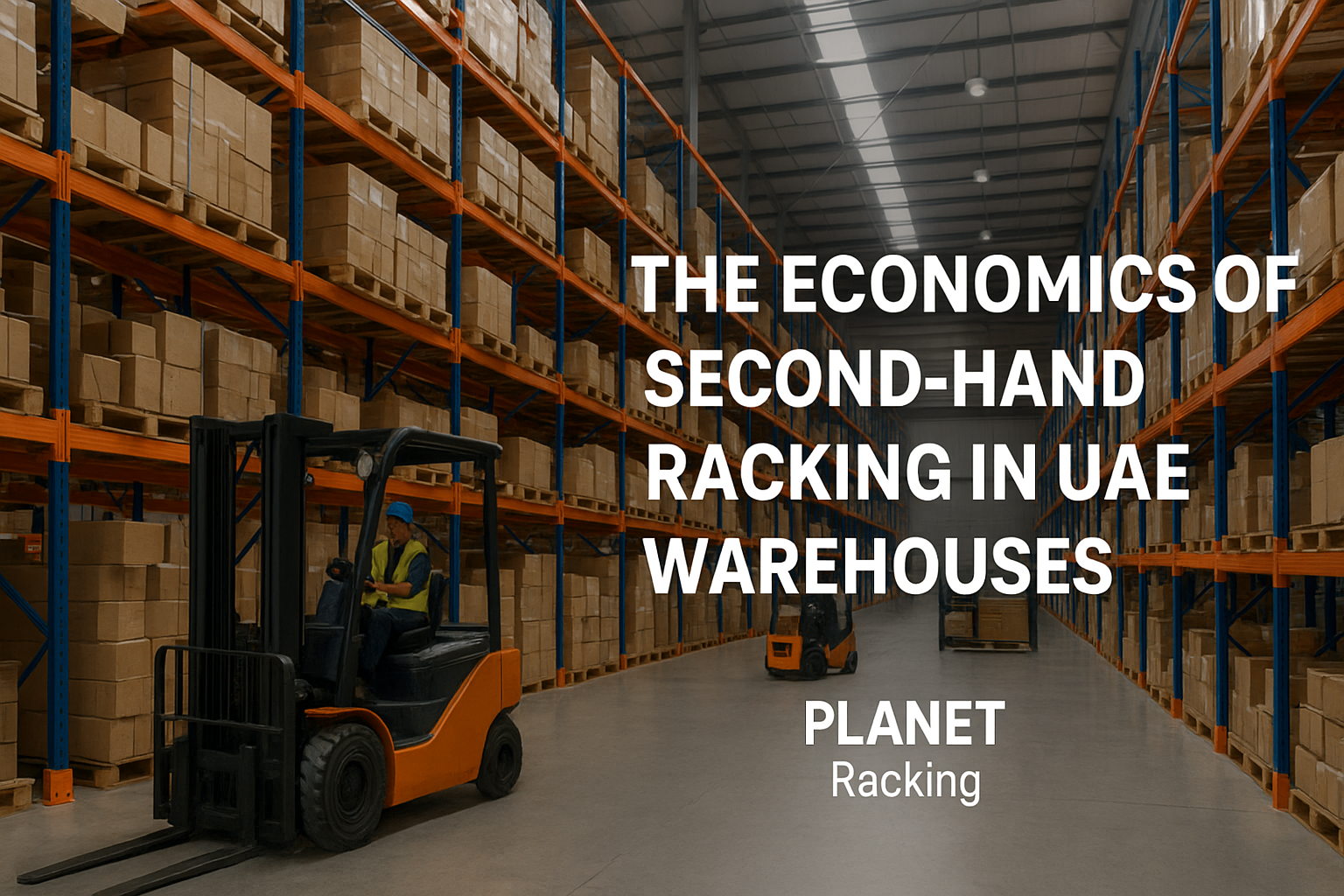
In the fast-paced logistics and warehousing industry of the United Arab Emirates, every square meter counts. The right storage system can dramatically improve operational efficiency and maximize warehouse capacity. However, new pallet racking systems can represent a substantial upfront investment, especially for small and medium enterprises. This financial reality has fueled growing interest in second hand racking in the UAE.
But is buying used racking a smart economic decision? How do the costs, risks, and long-term returns compare to investing in brand-new systems? This comprehensive guide explores the economics of second-hand racking in UAE warehouses, helping you understand whether it is a cost-saving opportunity or a risky compromise.
Understanding the Second-Hand Racking Market in the UAE
Over the last decade, the UAE has established itself as a logistics and re-export hub connecting Asia, Africa, and Europe. This booming trade environment has led to an explosion in warehousing activity, particularly in Dubai, Abu Dhabi, and Sharjah.
As companies expand or relocate, many liquidate their warehouse assets, including shelving, pallet racks, and mezzanine structures. These items often enter the second hand racking UAE market through resellers, auctions, or direct sales. Buyers can find selective pallet racking, drive-in systems, cantilever racks, and even cold storage racking at a fraction of their original price.
The Cost Advantage of Second-Hand Racking
1. Lower Initial Investment
The most obvious benefit of purchasing second hand racking is the lower upfront cost. Businesses can typically save between 30% and 60% compared to buying new equipment. For start-ups or SMEs managing tight budgets, these savings can free up capital for other critical investments such as automation, inventory software, or additional stock.
2. Shorter Lead Times
New racking systems often require several weeks for design, production, and delivery. By contrast, second hand systems are usually available immediately. This speed is vital for companies that need to set up operations quickly, particularly in sectors like e-commerce or third-party logistics, where time-to-market is a competitive advantage.
3. Reduced Depreciation
Like vehicles, racking systems depreciate most steeply in their first few years. When you buy second hand, that initial depreciation has already occurred. As a result, the asset’s residual value remains more stable, reducing the financial impact if you later decide to resell or upgrade.
Hidden Costs and Risks of Used Racking Systems
While the price tag of used racks looks appealing, buyers should be aware of potential hidden costs that could affect the total cost of ownership.
1. Structural Integrity and Safety Concerns
Racking systems endure significant wear and tear during their service life. If improperly dismantled, stored, or transported, even a minor defect can lead to structural weakness. The UAE’s strict Occupational Health and Safety regulations require that all storage systems meet specific load and safety standards. Using damaged or uncertified racking can expose your business to compliance risks and safety hazards.
2. Inconsistent Components and Compatibility Issues
Not all racking brands and models are compatible. When assembling a used system, mismatched components can lead to instability. For instance, mixing frames or beams from different manufacturers can compromise the rack’s load capacity. You might also struggle to find replacement parts for older models that are no longer produced.
3. Refurbishment and Installation Costs
Even if the racking is in decent condition, it often requires refurbishment, cleaning, repainting, and professional installation. These additional expenses can add up, narrowing the cost gap between new and second hand systems.
4. Warranty and Support Limitations
Most used racking is sold “as-is” without manufacturer warranties. If a problem arises, you may have limited recourse. New systems, on the other hand, usually come with comprehensive warranties, engineering certifications, and after-sales support.
Evaluating the ROI of Second-Hand Racking in UAE
Return on investment (ROI) is the most important metric when evaluating any warehouse infrastructure purchase. The ROI of second hand racking in the UAE depends on several key variables.
1. Purchase Cost vs. New System Cost
If a new racking setup costs AED 200,000 and a comparable used system costs AED 100,000, your initial savings are 50%. However, if you spend AED 30,000 on repairs, painting, and reinstallation, your total cost becomes AED 130,000. The effective savings drop to 35%, which still represents solid value if performance and safety remain uncompromised.
2. Operational Efficiency
A well-maintained second hand racking system can perform just as efficiently as a new one, provided it is properly inspected and installed. Efficient systems reduce handling time and increase throughput, leading to higher productivity and cost savings over time.
3. Asset Lifespan and Depreciation
Used racking typically has a shorter remaining service life than new equipment. However, if you plan to operate from your current facility for only three to five years, the reduced lifespan may not matter much. You can recover most of your investment by reselling the racks later.
4. Flexibility and Scalability
One often overlooked advantage of buying used racking is flexibility. You can experiment with different configurations before committing to a permanent layout. If your operations expand, you can later upgrade to a new or hybrid system that combines old and new components.
Compliance and Safety Standards in UAE Warehousing
The UAE government prioritizes workplace safety, and warehouse racking systems fall under strict inspection and certification requirements. Buyers of used racks must ensure compliance with standards such as:
- UAE Fire and Life Safety Code of Practice
- OSHA-equivalent warehouse safety standards
- Civil Defense and municipality approvals
Before installation, have the racking inspected by a certified engineer. Load capacity labels, anchoring systems, and upright protectors should be verified to prevent collapse or accidents. Choosing a reputable supplier that offers inspection and certification services is a smart way to mitigate these risks.
Best Practices for Purchasing Second-Hand Racking
To make the most of your investment in second hand racking UAE, follow these professional tips:
1. Inspect Before You Buy
Always conduct a physical inspection or request a detailed condition report with photos. Look for signs of rust, bent uprights, or damaged welds. Ensure the racks were properly dismantled rather than cut or torched.
2. Verify the Source
Buy from reputable dealers who specialize in warehouse equipment rather than general scrap or liquidation sellers. Reputable vendors usually clean, repaint, and test the racks before resale.
3. Confirm Compatibility
Ask about the manufacturer, model, and dimensions of beams and uprights. Make sure the components fit together seamlessly and match your warehouse’s layout.
4. Include Professional Installation
Racking installation requires precision and technical expertise. Hiring certified installers ensures your used system performs safely and efficiently.
5. Obtain Engineering Certification
Before use, have an engineer verify the structural integrity and load capacity. This certification protects your company from liability and ensures compliance with UAE regulations.
When Buying New Might Be Better
While used racking offers strong cost advantages, there are situations where buying new is more practical:
- High-load applications where structural reliability is non-negotiable.
- Cold storage environments where corrosion resistance and hygienic finishes are required.
- Automated warehouses where system precision and uniformity are crucial.
- Long-term facility plans where lifecycle cost efficiency outweighs initial savings.
In these cases, new racking systems offer peace of mind, full warranties, and compatibility with automation or expansion plans.
Conclusion
Second hand racking in the UAE presents a viable economic alternative for businesses seeking cost efficiency without compromising functionality. When sourced responsibly and inspected thoroughly, used racking can deliver substantial savings and strong ROI. However, the decision should be based on a clear understanding of your operational needs, budget constraints, and compliance requirements.
If you are setting up a new warehouse or optimizing an existing one, consider partnering with a reputable supplier like Planet Racking. They offer both new and second hand racking solutions designed for durability, safety, and maximum storage performance.
Smart investment decisions are not always about buying new but about knowing where value meets performance.
Frequently Asked Questions (FAQs)
1. Is it safe to use second hand racking in UAE warehouses?
Yes, as long as the racking is inspected and certified by a qualified engineer. Structural safety and compliance with UAE standards are critical before use.
2. How much can I save by buying second hand racking?
Typically, you can save between 30% and 60% compared to new systems, depending on condition, size, and brand.
3. Can used racking systems be customized?
Yes, but customization options may be limited compared to new systems. You can still reconfigure layouts, adjust beam levels, and add accessories like safety barriers.
4. What are the common types of second hand racking available in the UAE?
You can find selective pallet racking, drive-in racking, cantilever racking, mezzanine floors, and shelving units in the used market.
5. Does second hand racking come with a warranty?
Most used systems are sold without manufacturer warranties. However, some suppliers offer limited warranties or third-party certifications for added assurance.
6. How do I ensure compliance when buying used racking?
Work with certified suppliers who provide load test reports, engineering certifications, and professional installation in compliance with UAE safety regulations.
7. Is second hand racking suitable for cold storage applications?
Only if the racking is made from corrosion-resistant materials and has been properly maintained. Always inspect for rust or damage before purchase.