
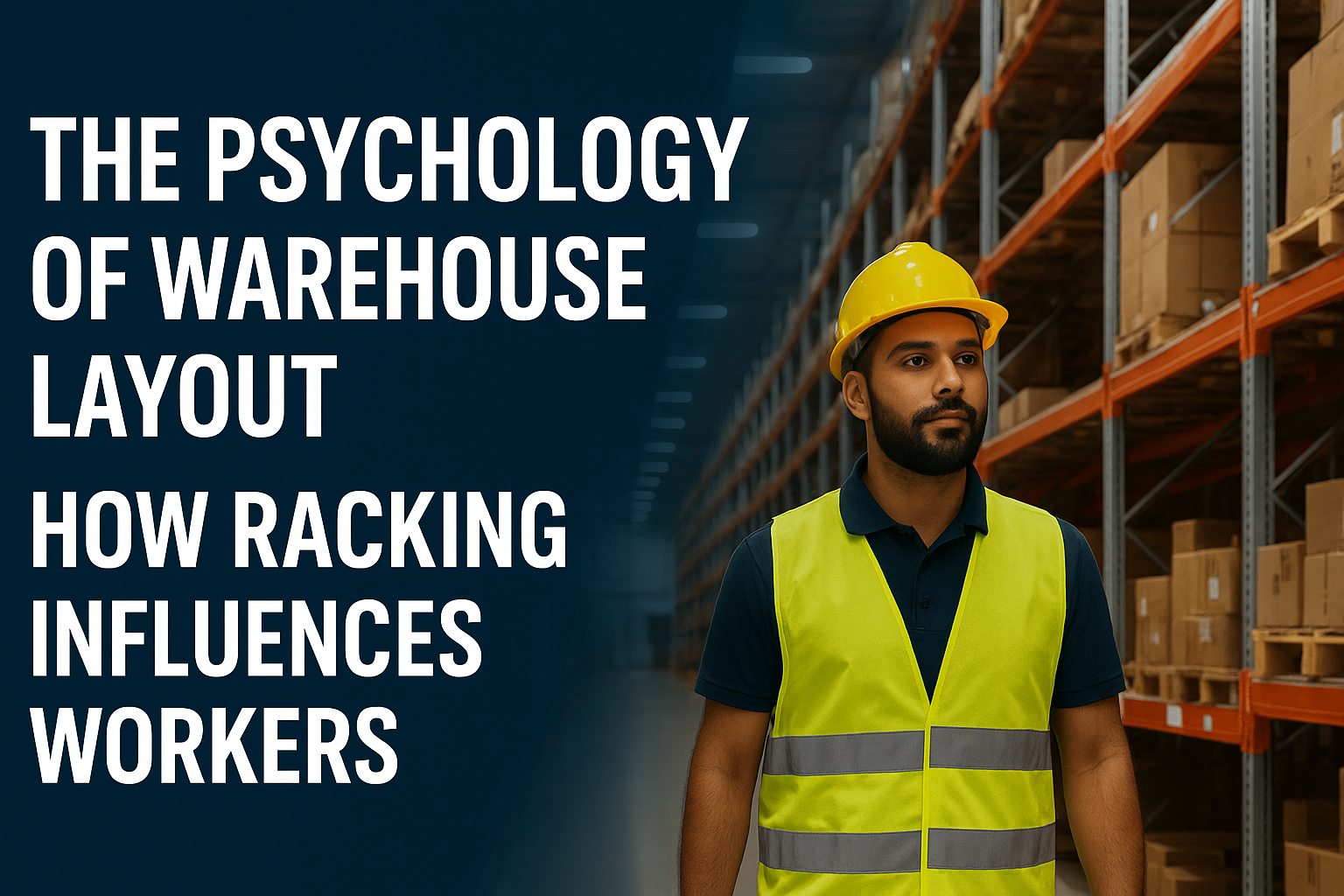
The success of a warehouse is often measured in numbers space utilization, order accuracy, and return on investment. Yet, behind every efficient operation lies the most valuable asset of all: the workforce. In the UAE’s rapidly expanding logistics and storage industry, the way warehouse racking is designed and arranged plays a surprisingly deep psychological role in influencing worker motivation, focus, and performance.
Understanding racking psychology is no longer a luxury; it is a strategic advantage. The science of how spatial layouts impact human behavior, attention, and fatigue can directly affect warehouse productivity. In a region like the UAE, where logistics is evolving at lightning speed, smart racking layouts can make the difference between a thriving operation and a struggling one.
The Link Between Racking Layout and Worker Psychology
Racking systems form the backbone of any warehouse. But beyond physical storage, they define how workers move, interact, and perceive their workspace. Research in industrial psychology suggests that structured environments with optimized visual and spatial cues reduce cognitive load, leading to higher accuracy and morale.
In UAE warehouses, where heat, pace, and multicultural teams converge, these subtle design factors become even more critical. Workers operating in a well-organized racking environment often report less stress, greater confidence, and higher engagement.
1. Cognitive Efficiency
A chaotic layout forces workers to think constantly about navigation, item location, and safety hazards. In contrast, a well-labeled and logically organized racking layout automates routine thinking. This allows workers to conserve mental energy for more critical tasks like accuracy and speed.
2. Spatial Flow and Emotional Comfort
Humans naturally seek order. A warehouse that feels predictable and systematic reduces subconscious anxiety. Aisles that are evenly spaced, racks that are consistent in height, and storage zones with clear pathways foster a sense of control a key factor in sustaining motivation and focus.
3. Visual Perception and Focus
Lighting, color coding, and shelf symmetry affect how workers perceive their surroundings. Bright, evenly lit aisles with labeled racking tiers reduce eye strain and promote a sense of spaciousness. This in turn supports sustained attention and fewer picking errors.
Racking Psychology in UAE Warehouses: A Cultural Perspective
The UAE’s warehouse workforce is highly diverse, with employees coming from various cultural and linguistic backgrounds. This diversity introduces unique communication and behavioral challenges. Therefore, the psychological design of a warehouse layout must go beyond efficiency to ensure inclusivity and comprehension.
1. Clear Visual Communication
Language barriers can lead to confusion and safety risks. Using universally understood symbols, color codes, and directional signage in racking systems helps bridge this gap. For example, using red to indicate restricted zones and green for safe movement areas provides intuitive guidance.
2. Temperature and Lighting Adjustments
Many warehouses in the UAE operate in high-heat environments, even with climate control systems. Cooler-toned lighting and reflective surfaces within the racking layout can help reduce heat perception and fatigue. This environmental psychology factor contributes directly to worker comfort and efficiency.
3. Respecting Worker Flow Patterns
Different nationalities may have distinct approaches to spatial navigation and task prioritization. Designing racking systems that allow easy access, minimal backtracking, and safe intersections respects natural workflow tendencies, which helps minimize frustration and mental fatigue.
Ergonomics and Emotional Well-being
Ergonomic warehouse design is not just about physical comfort. It’s also about the mental impact of daily routines. Poorly placed racks or inefficient picking paths can lead to monotony and burnout. By designing racking systems with psychological ergonomics in mind, managers can boost morale and retention.
1. Reducing Repetitive Stress
Workers performing repetitive lifting, bending, or reaching motions are at risk of physical fatigue and mental disengagement. Adjustable or modular racking heights can distribute tasks more evenly across ergonomic levels, keeping workers alert and reducing injury risk.
2. Promoting Autonomy
A sense of autonomy in task execution boosts motivation. Flexible rack labeling and adaptable shelf systems allow workers to organize small zones independently. This psychological ownership leads to increased accountability and satisfaction.
3. Noise and Movement Management
Excessive noise and chaotic movement between aisles can raise stress levels. Incorporating noise-dampening materials and smooth traffic flow in racking layouts creates a calmer, more predictable environment. This directly correlates with lower anxiety and improved focus.
Racking Design and Team Psychology
Team dynamics are strongly influenced by spatial structure. A racking layout that isolates workers or creates frequent congestion zones can hinder collaboration and lead to tension. On the other hand, open sightlines and designated collaboration spaces foster unity and communication.
1. Visibility and Trust
Workers are more confident when they can see supervisors or colleagues nearby. Semi-open racking configurations that allow line-of-sight visibility encourage teamwork while maintaining operational flow.
2. Balanced Proximity
Too much proximity can feel intrusive; too little can lead to detachment. Racking layouts that naturally separate teams by function while keeping shared zones accessible strike a balance between privacy and collaboration.
3. Break Zones and Mental Reset Areas
Strategically placing short rest zones near major aisles provides workers a chance for mental recovery. Even brief breaks in psychologically comfortable spaces can refresh focus and enhance long-term productivity.
Technology and the Modern Psychology of Racking
With the rise of automation, IoT, and cloud-based warehouse management systems, racking psychology is evolving. UAE warehouses are increasingly integrating smart racking solutions that enhance both productivity and well-being.
1. Sensor-Based Lighting
Motion-sensor lights that activate as workers enter aisles reduce energy costs while maintaining a sense of safety. Sudden darkness can induce anxiety, so consistent illumination helps maintain calmness and focus.
2. Wearable Data Insights
By monitoring worker movement patterns, warehouse managers can identify stress zones or overcrowded racking areas. Redesigning layouts based on this behavioral data optimizes workflow and reduces mental strain.
3. Digital Twin Simulations
Before implementing new racking systems, some UAE logistics firms now simulate workflows using digital twin models. These virtual replicas predict how layout changes will affect worker behavior and productivity — a futuristic step toward psychology-based design.
The ROI of Worker Psychology
Investing in worker psychology through smart racking design yields measurable returns. Lower turnover, fewer errors, and reduced absenteeism translate into significant cost savings.
A UAE warehouse study found that implementing ergonomic and psychologically aware racking layouts increased picking efficiency by 15% and reduced fatigue complaints by 22% within three months. When workers feel safe, empowered, and valued, they deliver stronger operational results.
1. Lower Turnover Rates
Workers in psychologically comfortable environments are less likely to leave. Retention saves recruitment and training costs, preserving institutional knowledge and culture.
2. Higher Accuracy and Output
A clear racking structure reduces confusion, mispicks, and workflow disruptions. The mental clarity it provides enhances both speed and precision.
3. Enhanced Brand Reputation
Companies prioritizing employee well-being through intelligent design gain reputational strength. In a competitive UAE logistics market, this can attract clients and top-tier staff.
Best Practices for Applying Racking Psychology in UAE Warehouses
- Map Worker Journeys: Use heat maps to analyze traffic flow and eliminate congestion points.
- Use Color Strategically: Apply intuitive color cues for zones, aisles, and safety boundaries.
- Incorporate Natural Light: Where possible, use skylights or daylight panels to improve mood and alertness.
- Train Supervisors in Spatial Awareness: Management should understand how layout changes affect team dynamics.
- Review and Iterate Regularly: Continuous observation ensures the layout evolves with operational and psychological needs.
Warehouse efficiency is not solely a product of machinery or software. It begins with people and the psychology of how they interact with their environment. In the UAE, where innovation defines every sector, understanding racking psychology is essential for building smarter, safer, and more human-centered warehouses.
A well-designed racking layout is more than an operational strategy; it is a statement of care. When workers feel supported, respected, and mentally at ease, the warehouse becomes more than a workspace. It becomes a high-performing ecosystem driven by human potential.
FAQs
1. What is racking psychology in warehouse design?
Racking psychology refers to the study of how racking layouts influence the mental and emotional well-being of workers. It involves optimizing spatial design, ergonomics, and visual cues to enhance productivity and reduce stress.
2. How can racking layout improve worker efficiency in UAE warehouses?
Optimized layouts reduce confusion, physical fatigue, and unnecessary travel distances. Workers can perform faster and more accurately in environments designed for intuitive movement and clear visibility.
3. What role does lighting play in racking psychology?
Proper lighting improves mood, reduces eye strain, and enhances spatial awareness. In UAE warehouses, where temperature can also be a factor, lighting design contributes to both comfort and focus.
4. How can racking psychology reduce turnover rates?
When workers operate in safe, efficient, and psychologically supportive environments, job satisfaction increases. This directly lowers stress-related absenteeism and improves retention.
5. Why should UAE warehouse managers invest in psychological design principles?
Beyond compliance and safety, psychological layout design drives measurable ROI. It leads to happier workers, fewer mistakes, and a reputation for forward-thinking operational management.