
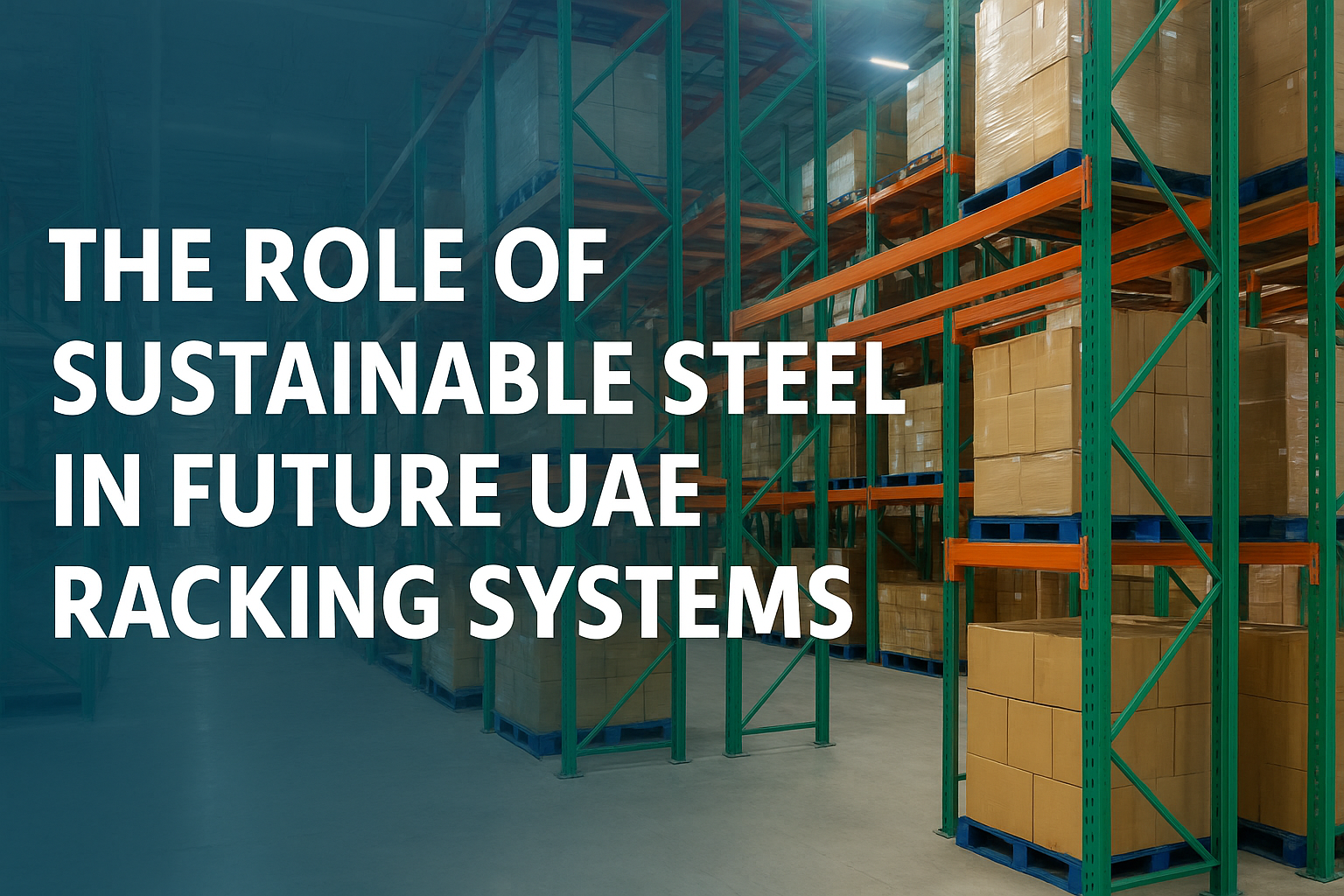
The logistics and warehousing industry in the UAE has witnessed rapid transformation over the past decade. As Dubai and Abu Dhabi evolve into global trade and logistics hubs, demand for high-quality racking systems has grown exponentially. However, with climate change, carbon regulations, and sustainability commitments under UAE Vision 2031, businesses are under increasing pressure to adopt sustainable steel racking solutions.
This shift is not merely a trend it’s a necessity. Sustainable steel, often referred to as green steel, is emerging as the backbone of modern eco-friendly warehouse systems in the UAE. By reducing carbon emissions, improving durability, and aligning with global sustainability standards, sustainable steel is setting the future direction of racking systems in the Gulf region.
In this article, we’ll explore:
- What sustainable steel is and why it matters for racking systems
- The benefits of eco racking for UAE warehouses
- How sustainable steel supports UAE’s national sustainability goals
- The challenges and future outlook of green steel adoption in logistics
- FAQs addressing common concerns about eco-friendly steel racking
What is Sustainable Steel?
Steel is one of the most widely used materials in the logistics and warehousing industry due to its strength, durability, and adaptability. However, traditional steel manufacturing is highly carbon-intensive. The process of converting iron ore into usable steel emits significant amounts of CO₂, making the steel industry a major contributor to global greenhouse gas emissions.
Sustainable steel, or green steel, refers to steel produced with reduced carbon footprints. This can be achieved by:
- Using renewable energy in steel production instead of fossil fuels.
- Recycling scrap steel to reduce demand for virgin raw materials.
- Implementing hydrogen-based steelmaking to eliminate carbon-heavy processes.
- Adopting circular economy practices, where materials are reused and repurposed.
When applied to racking systems in UAE warehouses, sustainable steel not only enhances environmental performance but also ensures long-term cost efficiency and compliance with evolving sustainability regulations.
Why Sustainable Steel Matters for UAE Racking Systems
The UAE is positioning itself as a global logistics hub, supported by mega-projects like KIZAD, JAFZA, and Dubai South Logistics District. However, this growth must align with sustainability targets. Here’s why sustainable steel is critical:
1. Alignment with UAE Sustainability Goals
The UAE Net Zero by 2050 Strategy mandates businesses to adopt low-carbon practices. Warehouses that install sustainable steel racking demonstrate compliance and enhance their ESG (Environmental, Social, and Governance) ratings.
2. Durability and Performance
Eco racking made from green steel offers the same if not higher durability as conventional steel racks. In fact, sustainable steel often undergoes stricter quality checks, ensuring longer service life and reduced maintenance costs.
3. Brand Reputation and Customer Trust
International brands seeking to establish operations in the UAE prefer partners who follow sustainable practices. Installing eco-friendly warehouse racking enhances brand credibility and attracts global clients who prioritize sustainability.
4. Cost Efficiency in the Long Run
Although initial costs may be slightly higher, sustainable steel reduces lifecycle expenses due to its longevity, recyclability, and reduced need for frequent replacements.
5. Compliance with Green Building Standards
LEED-certified and Estidama Pearl-rated warehouses require eco-conscious materials. Sustainable steel ensures warehouses meet these green construction benchmarks.
Benefits of Eco Racking in UAE Warehouses
Switching to eco racking systems in the UAE is more than a sustainability gesture it brings measurable advantages.
- Reduced Carbon Footprint: Every ton of recycled steel saves up to 1.5 tons of CO₂ emissions.
- Stronger Supply Chain Resilience: UAE’s circular economy framework encourages recycling, reducing dependence on imported raw materials.
- Operational Safety: Green steel racking maintains high load-bearing capacity, minimizing risks of collapse or operational hazards.
- Flexibility for Future Expansions: Sustainable steel racks are modular, making warehouse expansion easier.
- Contribution to Circular Economy: Materials can be repurposed, ensuring waste minimization.
The Future of Sustainable Steel Racking in the UAE
The UAE’s logistics industry is expected to grow at over 8% CAGR by 2030, driven by e-commerce, trade, and global connectivity. With this growth comes rising demand for warehouses and racking systems.
In the coming years, we can expect:
- Government Incentives: Subsidies and tax benefits for businesses adopting green materials.
- Technological Advancements: Hydrogen-based steel production will make eco racking more cost-competitive.
- Circular Supply Chains: Warehouses will increasingly recycle and reuse materials.
- Mandatory ESG Reporting: Businesses will be required to disclose their carbon footprints, making sustainable steel a necessity.
Challenges in Adopting Sustainable Steel Racking
While the benefits are undeniable, challenges exist:
- Higher Initial Costs: Green steel production is currently more expensive.
- Limited Supply in the Region: Most sustainable steel is imported, which may affect lead times.
- Awareness Gaps: Many warehouse owners still lack awareness of long-term benefits.
- Technological Transition: Moving from traditional to hydrogen-based processes requires infrastructure changes.
Despite these hurdles, the trajectory is clear sustainable steel is the future of UAE racking systems.
Best Practices for Implementing Sustainable Racking in UAE
- Partner with Certified Suppliers: Work with racking providers that source green steel.
- Invest in Lifecycle Analysis: Compare total lifecycle costs instead of just upfront costs.
- Opt for Modular Designs: Choose flexible eco racking that adapts to future needs.
- Align with Green Certifications: Design warehouses with LEED, Estidama, and WELL standards in mind.
- Educate Stakeholders: Train warehouse managers on the benefits of eco-friendly racking.
The future of the UAE’s logistics industry is inseparable from sustainability. As global companies demand greener supply chains, sustainable steel racking will play a vital role in transforming warehouses into eco-efficient hubs. By aligning with national goals, reducing carbon footprints, and ensuring long-term performance, green steel is not just an option it’s the future.
Businesses that adopt eco racking systems today will secure a competitive advantage, positioning themselves as leaders in the sustainable logistics landscape of tomorrow.
FAQs on Sustainable Steel Racking in UAE
Q1. What is the difference between sustainable steel and traditional steel in racking systems?
Sustainable steel is produced with lower carbon emissions, often through recycling or renewable energy processes, whereas traditional steel relies on carbon-intensive production.
Q2. Are sustainable steel racks as durable as conventional racks?
Yes. In fact, eco racking often undergoes stricter quality control, making it equally strong and long-lasting.
Q3. Is sustainable steel available in the UAE market?
Yes. While large-scale production is still limited, certified suppliers are increasingly offering sustainable steel racking solutions in Dubai, Abu Dhabi, and other emirates.
Q4. Will eco-friendly warehouse racking cost more?
Initial investment may be higher, but lifecycle costs are lower due to durability, recyclability, and compliance with green building standards.
Q5. How does sustainable steel support UAE Vision 2031 and Net Zero 2050?
By reducing emissions and promoting circular economy practices, green steel helps the UAE achieve its national sustainability goals.
Q6. Can existing racking systems be upgraded with sustainable steel?
Yes. Modular retrofitting allows warehouse operators to gradually replace old racks with eco-friendly steel options.
Q7. Does using green steel improve warehouse certifications like LEED or Estidama?
Absolutely. Sustainable steel contributes points toward achieving green building certifications, which enhance property value and operational credibility.