

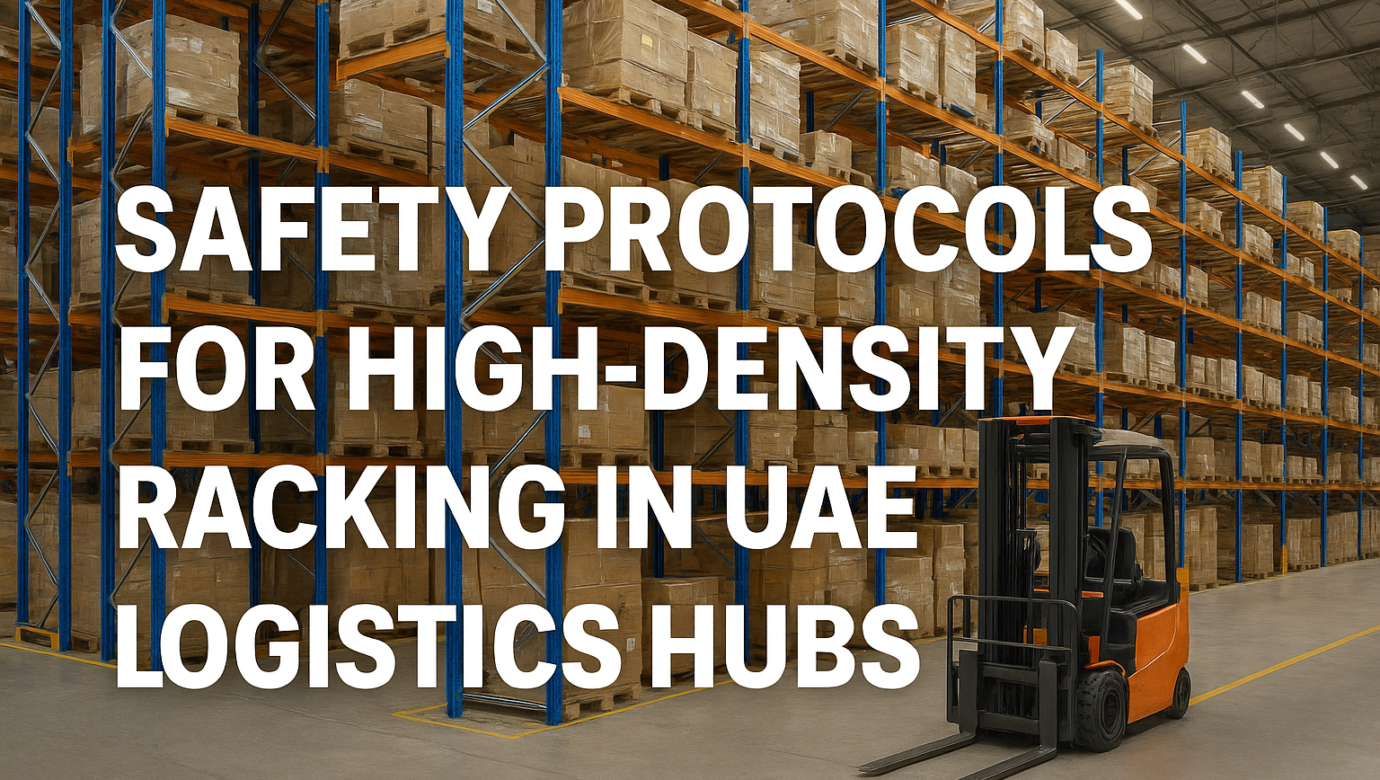
Safety Protocols for High-Density Racking in UAE Logistics Hubs
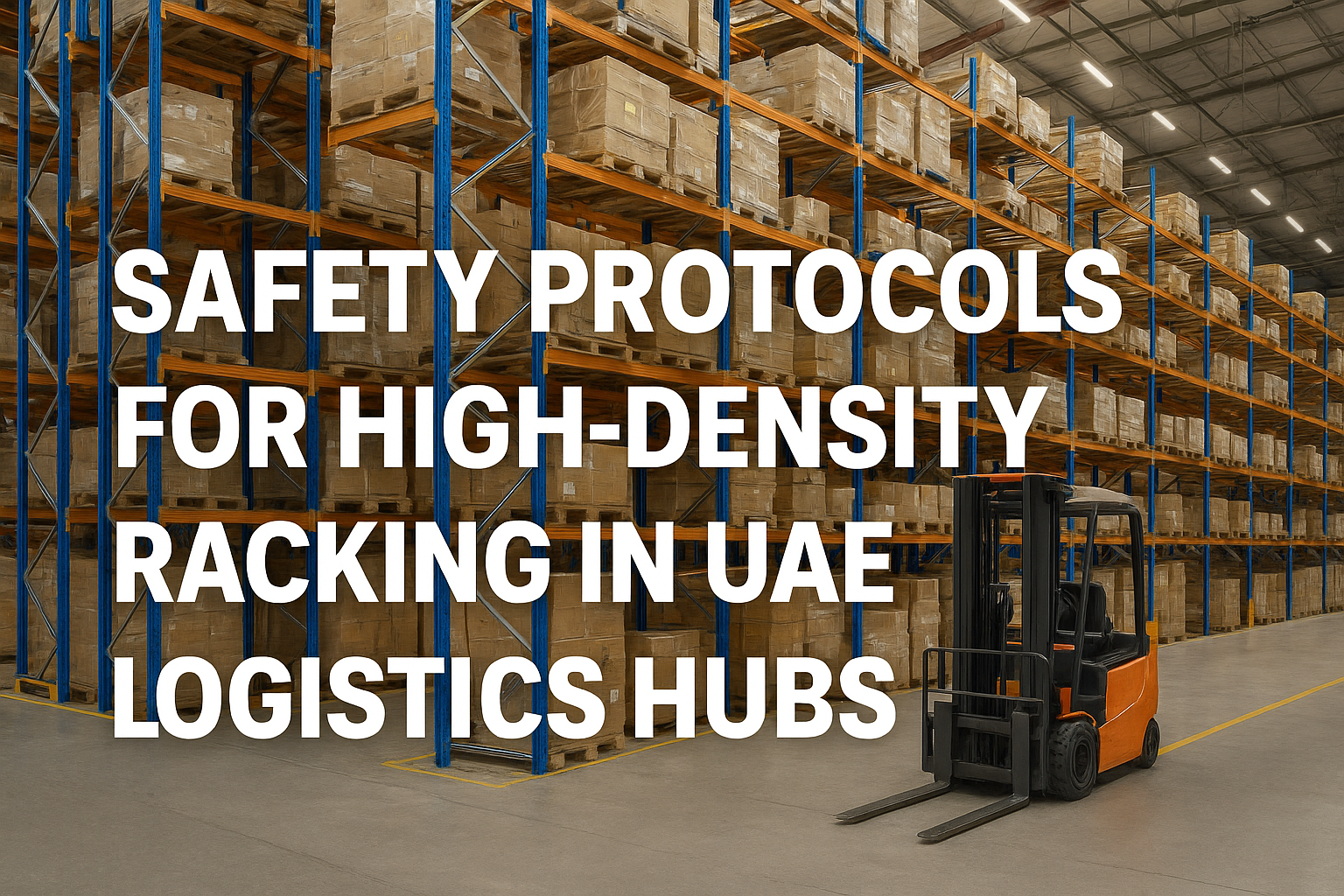
As the UAE strengthens its position as a global logistics powerhouse, warehouse operators are increasingly relying on high-density racking systems to maximize space utilization and efficiency. From Jebel Ali Free Zone to Abu Dhabi’s Khalifa Port logistics corridor, the demand for advanced storage solutions continues to grow. However, with high-density storage comes heightened safety risks such as rack collapses, fire hazards, and forklift-related accidents that can lead to devastating financial and operational losses.
Ensuring warehouse safety protocols in UAE logistics hubs is not just a regulatory requirement but also a strategic necessity to protect assets, workers, and supply chain continuity. This article explores the safety protocols for high-density racking in UAE warehouses, highlighting global best practices, compliance standards, and actionable measures to ensure workplace safety.
Why Safety is Critical in High-Density Racking
1. Increased Load Pressure
High-density racking systems such as drive-in racks, push-back racks, and pallet flow systems carry heavier loads in compact areas. Improper installation or overloading can trigger structural failures that jeopardize worker safety.
2. Forklift Maneuvering Challenges
In dense storage environments, forklift operators face restricted aisles and visibility issues. Misaligned pallets or accidental impacts can weaken racking frames and cause progressive collapses.
3. Regulatory Compliance in the UAE
The UAE enforces strict safety standards across logistics facilities. Authorities such as Dubai Civil Defence (DCD) and Dubai Municipality require warehouses to maintain fire safety measures, load certifications, and periodic audits to prevent accidents.
4. Business Continuity Risks
A single racking collapse can halt operations, damage inventory worth millions, and harm a company’s reputation in the competitive UAE logistics market.
Essential Safety Protocols for High-Density Racking in UAE Warehouses
1. Professional Installation and Engineering Certification
- Work only with certified racking suppliers and installers.
- Obtain load-bearing certificates from structural engineers.
- Ensure compliance with FEM (European Racking Standards) and UAE-specific regulations.
2. Load Management and Weight Distribution
- Follow manufacturer guidelines for maximum load capacity.
- Train staff to evenly distribute pallet loads across rack levels.
- Implement real-time weight monitoring systems to prevent overloading.
3. Regular Inspections and Safety Audits
- Conduct weekly in-house inspections for damages, loose bolts, or misaligned beams.
- Schedule annual third-party safety audits from certified inspectors.
- Document findings and implement corrective actions immediately.
4. Rack Protection Systems
- Install column guards, frame protectors, and safety barriers at critical impact points.
- Use guide rails in drive-in racking systems to minimize forklift collisions.
- Add safety locking pins and beam safety clips to prevent accidental dislodging.
5. Fire Safety Integration
- Install in-rack sprinklers in compliance with Dubai Civil Defence regulations.
- Ensure clear access to fire exits, hydrants, and extinguishers.
- Conduct regular fire drills and evacuation training for staff.
6. Forklift and Operator Training
- Train forklift operators on maneuvering in narrow aisles and high-density environments.
- Implement a one-way traffic flow in drive-in racking systems.
- Use automated guided vehicles (AGVs) where feasible to reduce human error.
7. Maintenance and Repairs
- Replace damaged uprights, beams, or braces immediately.
- Keep spare parts readily available for emergency repairs.
- Establish a preventive maintenance schedule to ensure rack longevity.
Best Practices for UAE Logistics Hubs
- Adopt Technology: Use IoT-enabled sensors for real-time monitoring of rack stability.
- Digitize Inspections: Deploy mobile inspection apps for faster audits and reporting.
- Compliance Training: Conduct mandatory annual safety workshops aligned with Dubai Municipality safety codes.
- Collaborate with Authorities: Partner with DCD-approved safety consultants for compliance audits.
Benefits of Implementing Safety Protocols
- Reduced Workplace Accidents – Protects employees and assets.
- Regulatory Compliance – Prevents penalties and shutdowns from non-compliance.
- Increased Efficiency – Well-maintained racking enhances operational flow.
- Business Reputation – Builds trust with global clients relying on UAE logistics hubs.
As the UAE cements its role in global trade, high-density racking safety will remain central to sustainable logistics operations. By adhering to warehouse safety protocols such as proper installation, load management, inspections, and fire safety, warehouse operators can ensure smooth, compliant, and secure supply chain operations.
Companies that proactively invest in safety protocols for high-density racking in UAE logistics hubs not only safeguard their facilities but also gain a competitive edge in the region’s thriving logistics ecosystem.
Frequently Asked Questions (FAQs)
Q1. What are the main causes of racking accidents in UAE warehouses?
A: Common causes include overloading, improper installation, forklift collisions, and lack of regular inspections.
Q2. How often should high-density racking systems be inspected?
A: Internal inspections should be done weekly, while third-party certified audits should be conducted annually.
Q3. Are there specific UAE regulations for racking safety?
A: Yes. Dubai Civil Defence and Dubai Municipality mandate compliance with fire safety, load certification, and periodic audits.
Q4. What is the role of technology in racking safety?
A: IoT sensors, weight monitoring systems, and digital inspection tools help identify risks before accidents occur.
Q5. Why is load distribution critical in high-density racking?
A: Uneven pallet loading can weaken racking frames and increase the risk of collapse, especially in drive-in and push-back systems.
